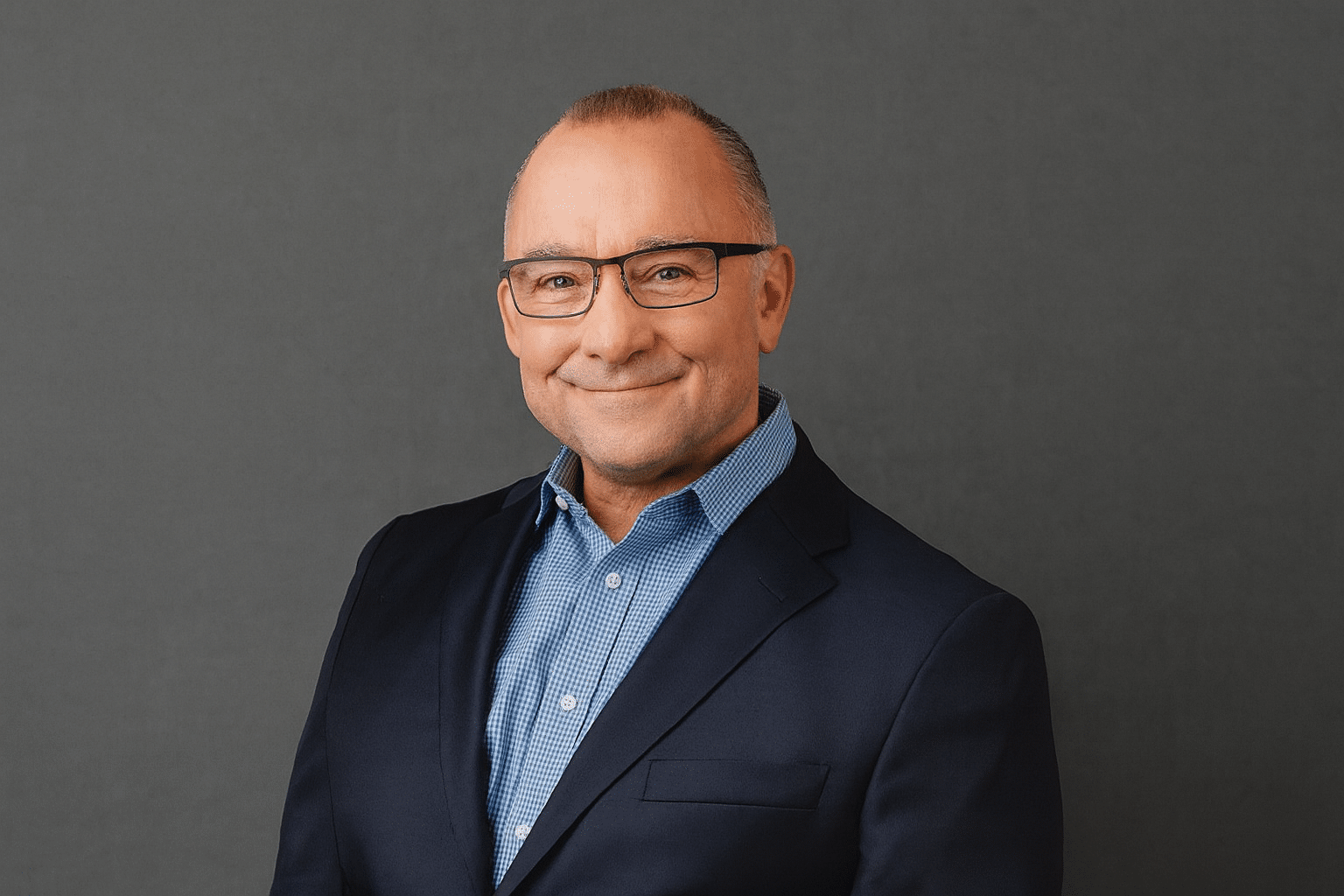
In this interview, Marc Boroditsky discusses Nebius’ strategy for becoming a leading AI infrastructure platform in a rapidly evolving market. He shares insights on serving premium AI workloads, balancing growth with margin discipline, and building competitive advantages through engineering excellence, power access, and strategic partnerships. The conversation highlights execution, customer focus, infrastructure scalability, and how speed, operational rigor, and long-term investment are shaping the next generation of AI computing platforms.
Marc Boroditsky is the Chief Revenue Officer of Nebius, a full-stack AI infrastructure provider focused on supporting large-scale training and inference workloads. Previously a senior leader at Cloudflare, he joined Nebius to help accelerate its growth as a next-generation AI cloud platform. Known for combining enterprise sales discipline with startup execution speed, Boroditsky focuses on building strategic customer relationships, scaling infrastructure efficiently, and delivering high-performance solutions for the rapidly expanding AI ecosystem.
December 6, 2025
For deals like that, you need the whole company. Corp dev leads, but legal, platform, technical, and infrastructure teams all play key roles. My job is to line everyone up, clear obstacles, and give credit where it is due. Big wins come when many strong people pull in the same direction, not from one hero.
It looks huge from the outside, but inside it is just scaling what already works. We treat infrastructure like agile software. Multi-threaded projects, parallel work on locations, power, and supply chain. The plan is already in motion. It is not easy, but we follow the same principles that got us to our current capacity.
It is a strange muscle to build. You want to help everyone, but capacity is finite. We created clear principles: prioritize strategic customers and workloads that create the most long-term value. We say no in a respectful way today, while keeping the door open for yes tomorrow. That balance is hard but very important.
First, we are honest about reality. Demand is huge and supply is limited, so there is room for premium pricing, especially on valuable workloads. But we do not act randomly. We look at strategic fit, long-term potential, and unit economics. Pricing is part of a broader relationship, not just a short-term grab for more dollars.
Chips matter, but for us the main bottlenecks are physical and financial. Land and connected power on one side, and capital to build and fill facilities on the other. We manage this by signing smart power contracts early, moving quickly on locations, and keeping a strong capital engine so we can keep building ahead of demand.
We rely on our people, not on outside opinions. Our team does real dirt-up diligence fast. They look at brownfield sites, evaluate power options, and move quicker than most competitors. We are flexible with interim energy setups when it makes sense. As we reveal locations and progress, skeptics will see that their models missed some things.
Margin is what makes a business durable. It pays for engineers, support, and future bets. I tell the team: we are not just chasing revenue, we are building a healthy company that can keep investing for years. That means we care a lot about unit economics, energy costs, and software mix, not only about top-line growth.
Training is spiky and less predictable. Inferencing is ongoing, tied directly to products people use every day. So we focus on winning not just training, but retraining and especially inferencing workloads. That is why we built our inferencing solutions. As customers ship more AI features to end users, their inferencing spend grows and becomes more stable.
Among public metrics, margin is key. It tells you who can run a real business, not just burn capital. Beyond that, look at the wins: who is landing serious AI workloads, especially in production inferencing, and with what kinds of customers. Over time, those wins and expansions will be more telling than one quarter’s headline number.
Bare metal serves a small slice of the market, the teams that want to run everything themselves. Most of the world does not want that. They want a full stack that saves internal effort and risk. We aim at the premium workloads where we can add value with software, tooling, and services. Margin and durability live there.
It changes everything. When a customer opens a ticket, they talk to a real engineer, not just a script reader. Our people have fingers-on-keyboard experience with AI, hardware, and infrastructure. That builds trust fast. When engineers on both sides respect each other, customers expand workloads and stay. Strong engineers become a direct growth engine.
Once an AI engineer solves one important problem on our platform, they remember that experience. Next time they need to run a new workload, they start from what they already know. Over time, that becomes a flywheel. They move companies, join new teams, and bring Nebius with them. We win by serving them so well they do not want to switch.
I learned that you can win next to hyperscalers if you do one thing much better than they do. Cloudflare proved that in its space. For Nebius, the lesson is to be very focused. We aim to be the best platform for AI engineers and demanding AI workloads. That sharp focus guides hiring, product choices, and go-to-market.
Security is not optional. Customers are putting their most valuable data on our platform. We must check the boxes and also deliver real protection. That means strong identity and access management, secure networking, and good operational discipline. If we fail there, nothing else matters. So we treat security as core product work, not a side task.
We look at many ideas, but we do not let them drive the strategy. In hot markets, asset owners often expect irrational prices. We are careful with capital. Our first choice is to build and operate our own hardware and infrastructure. Any partnership or M&A must clear a very high bar on economics, control, and long-term fit.
I spoke with almost every big AI name. Many were impressive, but some were overvalued, too narrow, or at risk of being eaten by foundational models. Nebius was different: horizontal TAM, real product, public and well capitalized, and a leadership team that is very smart and low ego. After a few meetings, I knew I wanted in.
I have seen a few big waves in my life. This one is bigger. AI will rewrite many apps and many workflows. Our job is to execute: build the team, cover the market, and be ready when enterprises really stampede into AI. If we do that well, Nebius can become an iconic company that helped shape this entire era.

Use this interview in your research, article, or academic work
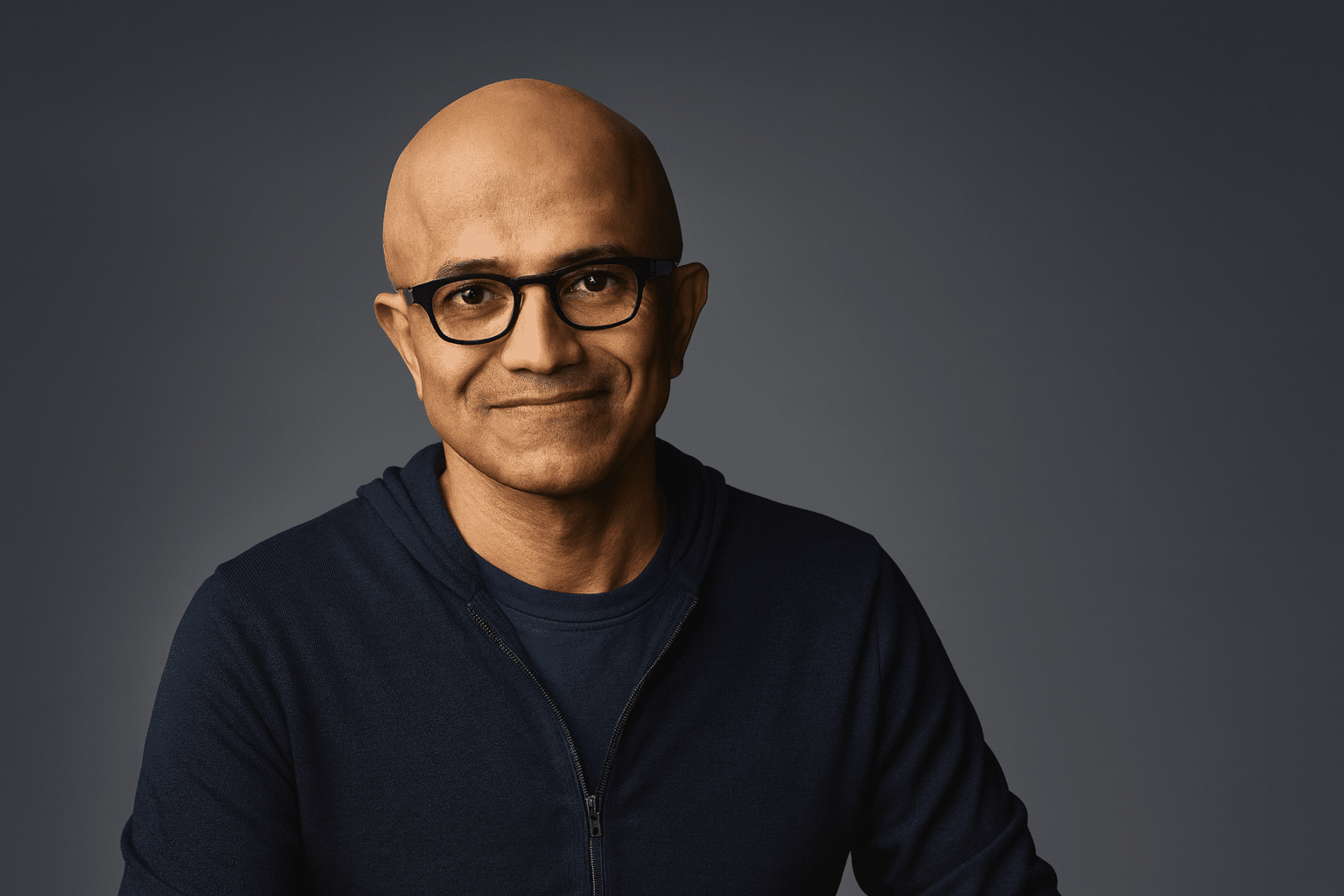
Chairman & CEO, Microsoft at Microsoft
In this interview, Satya Nadella discusses Microsoft’s transformation into a cloud-and-AI leader and why artificial intelligence represents the next major computing platform shift. He shares…

Co-Founder at Y Combinator
In this interview, Y Combinator co-founder Paul Graham reflects on twenty-one years of startup acceleration and forty-seven YC batches. Graham explores the nature of founder…

Founder & CEO at Food for Education
In this interview, Food for Education founder and CEO Wawira Njiru reflects on her foundational upbringing, family values, and the journey of building Africa's largest…

President & CEO at Sasol
In this interview, Sasol president and CEO Simon Baloyi discusses the operational turnaround of the global integrated chemicals and energy company. Baloyi details cross-functional collaboration…

Founder & CEO at Liquid
In this interview, Liquid founder and CEO Franklin Wang discusses the integration of conversational AI with cryptocurrency perpetual futures trading. Wang details how the Co-Invest…
Co-Founder, Chairman & CIO at Marshall Wace
In this interview, Marshall Wace co-founder and chairman Sir Paul Marshall discusses running a ninety billion USD alternative asset management firm. Marshall explains the synergy…