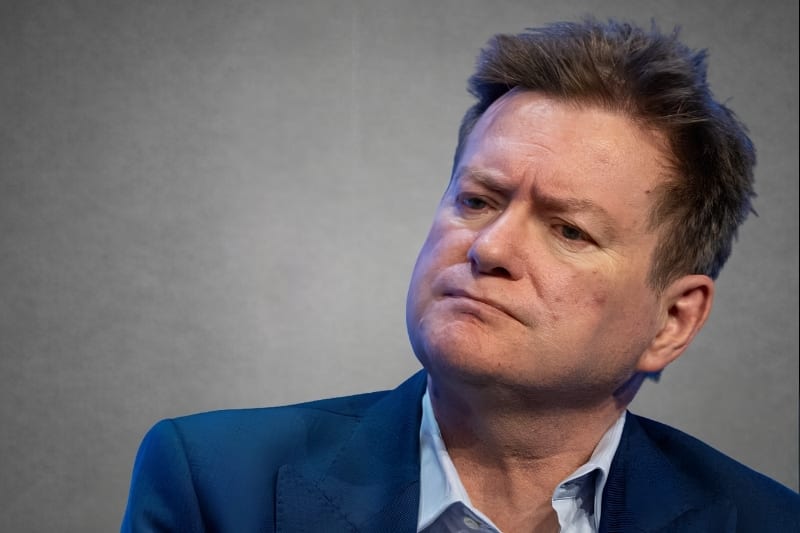
Robert Kyncl, CEO, Warner Music Group at Warner Music Group
4.8/5 Rating
AI, Creators, Technology, Production, Marketing
$1M+/mo

Robert KynclCEO, Warner Music Group

Robert Kyncl is the CEO of Warner Music Group, bringing an operator mindset to music as pricing shifts, AI accelerates change, and scale becomes a bigger advantage for artists and rights holders.

Robert Kyncl

Robert Kyncl

CEO, Warner Music Group

Warner Music Group

Warner Music Group

Founder Stats

  • AI, Creators, Technology, Production, Marketing
  • Started 2015 or earlier
  • $1M+/mo
  • 50+ team
  • USA

About Robert Kyncl

Robert Kyncl leads Warner Music Group through a period where streaming growth is shifting from subscribers to pricing, and AI is reshaping creation and copyright. He explains why scale matters more than ever, how Warner thinks about licensing and litigation, and why strong brands will win in a noisy market. He also shares practical leadership lessons about change, leverage, and long-term value creation.

Interview

December 15, 2025

Q

What do you think is the biggest change coming to the music business in the next few years?

Question 1 of 17
Robert Kyncl

The big change is that after many years of growth mostly through subscriber growth, now we are also going through price increases. It is not only volume in terms of subscribers, but also price, and that has not been the case in the previous 15 years. That shift changes the industry’s economics.

Q

What are you doing at Warner to make sure you benefit from that shift?

Question 2 of 17
Robert Kyncl

We have to increase the value of music through our wholesale relationship with partners, and become more efficient at the same time so we can reinvest into music and drive the flywheel. We also focus on growing our share of music, because leverage comes from performance, market share, and outcomes.

Q

You said you are bullish on AI. Why?

Question 3 of 17
Robert Kyncl

I am bullish on AI overall to drive the industry further. If you think about it, every new technology has generally benefited copyright holders over time. AI feels like what happened with user generated content years ago, but on steroids. The key is to figure it out correctly so everyone participates the right way.

Q

Do you really believe the internet benefited copyright holders?

Question 4 of 17
Robert Kyncl

Over the long term, yes. If you look at the multiples people pay to acquire copyrights, they are the highest they have ever been. That tells you copyright is more valuable than ever, at least for music. There were waves of friction, but the long-term value trend is clear.

Q

How do you describe the current growth engine for music streaming?

Question 5 of 17
Robert Kyncl

At the end of 2024 there are about 750 million paying subscribers around the world, and that number continues to grow. If you combine subscriber growth with driving ARPU up, it is a healthy industry. It becomes more than just adding users; it is also increasing value per user.

Q

Why are labels suing AI audio companies if the goal is to work with AI?

Question 6 of 17
Robert Kyncl

We reserve our rights every time something new is happening. Our strategy is license, legislate, and litigate in that order. We always prefer to license if we can set up the right outcomes and be open for business. Legislation helps make licensing workable, and litigation is when everything else fails.

Q

What does a good AI licensing deal look like to you?

Question 7 of 17
Robert Kyncl

You have to think about inputs and outputs. On the input side, for training, we maintain that if you want to train on our content, you have to license it. On the output side, you look at what is being created, how it is used, and how value is shared in a practical structure.

Q

How do you separate different kinds of AI music outputs?

Question 8 of 17
Robert Kyncl

There are two types. One is generic music that is not recognizable by any artist and does not implicate name, image, likeness, or voice. For us, that can be a new revenue stream if it is licensed properly. The other implicates identity, and that needs stronger constructs, like UGC but adapted.

Q

Do you think AI expands the pie, or replaces artists people already listen to?

Question 9 of 17
Robert Kyncl

We believe there will be a lot more music, and a lot more unrecognizable music, which increases noise and frustration. But we also believe branded, big, recognizable music from stars becomes more valuable in that world. The flood of content can make true brands stand out even more.

Q

How are you “putting money where your mouth is” on that belief?

Question 10 of 17
Robert Kyncl

We believe it so much that we and our partners at Bain Capital put together a $1.2 billion JV to buy copyrights just like that. It is not only belief inside the company. It is also smart people on Wall Street who believe recognizable catalogs and star music will become more valuable over time.

Q

Do you have a view on what Spotify should charge consumers?

Question 11 of 17
Robert Kyncl

I do not want to tell others how much they should charge for their products. What I can tell them is how much we charge for our product to them, and they can decide retail pricing. I think about it prospectively now: this is what our product costs into the future, then they choose.

Q

If you do not control retail pricing, where does your leverage come from?

Question 12 of 17
Robert Kyncl

Like everyone in media, each side wants to take a little more from the other one. Our job is to grow our share of music and increase the value of music through the wholesale relationship. We also have to become more efficient so we can reinvest into music and keep the flywheel going.

Q

What results matter most when you talk to investors and Wall Street?

Question 13 of 17
Robert Kyncl

Proof shows up in market share and performance. We increased our market share by one percentage point over the last 12 months, and we have been dominating in the charts with amazing talent. Even while going through difficult changes, we delivered growth. That shows you can do hard things and win.

Q

How do you balance the core business with adjacent opportunities like film and TV?

Question 14 of 17
Robert Kyncl

We are very focused on the core because we have to deliver stable growth and stable earnings growth. At the same time, we look at adjacencies and start building areas that can help expand the business. The sequence matters: deliver stability first, then build the next engines without distracting from the core.
Q

Why do you think music catalogs can succeed in film and TV storytelling?

Question 15 of 17
Robert Kyncl

We have tremendous catalog presence, and the stories are incredible. Madonna, Fleetwood Mac, it goes on and on. I think of it like Marvel for music. Those stories can be unlocked and brought to life around the world with the right partner. It can also bring young audiences back to streaming.

Q

What is your leadership style when the industry has crosswinds and change?

Question 16 of 17
Robert Kyncl

Doing the true and tried things is boring, and everybody does those. If you are in an industry that is changing, you have to do different things. I want a company that is not afraid to be first, not afraid to be daring, and not afraid to break the mold. That mindset applies to org changes too.

Q

What is one timeless, practical way you think about building real artist careers?

Question 17 of 17
Robert Kyncl

Some methods are very analog and still work. Go to live shows, watch the audience rather than the act, and see how the audience is reacting to the artist. If there is a connection, there is something real to build on. For superstardom, that consistent connection matters more than one random spike.

Video Interviews with Robert Kyncl

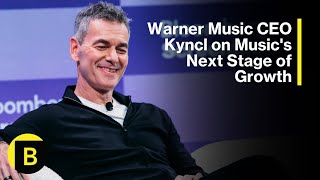
Warner Music CEO Kyncl on Music's Next Stage of Growth

Warner Music CEO Kyncl on Music's Next Stage of Growth

Warner Music CEO Kyncl on Music's Next Stage of Growth

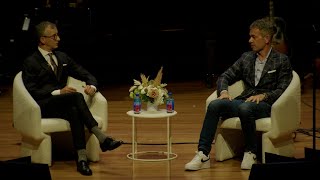
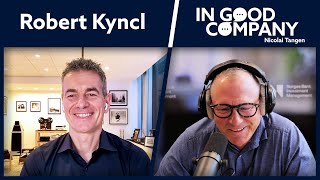
Robert Kyncl - CEO of Warner Music Group | Podcast | In Good Company

Robert Kyncl - CEO of Warner Music Group | Podcast | In Good Company

NMPA Annual Meeting 2024: Keynote Discussion With Robert Kyncl

NMPA Annual Meeting 2024: Keynote Discussion With Robert Kyncl