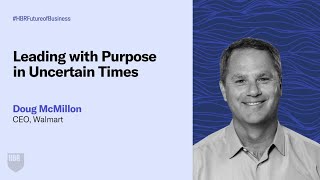
In this interview, Doug McMillon discusses how Walmart continues to evolve through technology, operational excellence, and a strong people-first culture. He explains why investments in wages, e-commerce, and artificial intelligence are essential for long-term growth, even when they pressure margins in the short term. McMillon also shares leadership lessons from navigating disruption, emphasizing adaptability, transparency, rapid decision-making, and an unwavering focus on serving customers and associates.
Doug McMillon is the President and CEO of Walmart, the world’s largest retailer. Having started as an hourly associate in 1984, he rose through the organization to lead one of the most significant transformations in modern retail. Under his leadership, Walmart has expanded its e-commerce capabilities, invested heavily in employee development and technology, and embraced artificial intelligence while maintaining its commitment to affordability and customer value.
December 7, 2025
I think you have to remember who you are, but still be open to change. With AI and turbulence, you cannot freeze. You keep your purpose and values steady, but your tactics flexible. You look for growth first, not just defense, and you learn to operate in uncertainty instead of waiting for it to disappear.
The first thing I see is growth. For decades, e-commerce has been a search bar and a list. Now we can build experiences that are multimedia, personal, and contextual. AI can change how people shop and save them more time. There are risks, but our mindset has shifted to offense and opportunity, not just protection.
I think every job will change in some way. From collecting carts in the parking lot, to how technologists write code, to how leaders make decisions. AI will remove some tasks and some roles, but it will also create new ones. Our goal is to equip people so they can use these tools, add value, and grow with the company.
We want everyone to go through this change with us, not watch it from the side. Giving people tools like ChatGPT lets them experiment, learn, and see how AI can help in their daily work. That builds skills, confidence, and ideas from the bottom up, instead of AI being something done only by a small central team.
Sam Walton said our purpose was to help people save money and live a better life. That turned into “save money, live better.” Saving money is still central. The “live better” part has expanded. Now it also means saving time, supporting communities, helping the planet, and even playing a role in health care and local well-being.
A little over ten years ago, we made big investments in wages, prices, e-commerce, and our tech stack. Our operating income percentage went from above 8% down to just over 4%. Shareholders paid for that so we could change the company. Over time, new income streams helped bring margins back up while keeping prices low and wages higher.
I learned how capable our associates and leaders really are. During the pandemic, decisions had to be made fast: safety, supply chain, testing, immunizations. We moved from a weekly or monthly rhythm to a daily one. We delegated more, asked people to act quickly, then explain their choices. They made a lot of good decisions at speed, which built my trust even more.
We run a lot of “what if” scenarios. For example, think about buying Halloween costumes in spring without knowing the final tariff. We model different tariff levels, price points, and unit sales. We also know families’ priorities, like buying costumes for kids before adults. Then we talk it through, make a choice together, and trust the team to adjust if needed.
We started by telling everyone what would not change: our purpose and our four core values. That gave stability. Then we said almost everything else is open for change. We added new capabilities like design and product management and changed how decisions get made. The goal is to set the company up to change all the time, not just once.
We realized we needed to literally change the way we worked. That meant bringing in roles like product management and design, modernizing our tech stack, and putting the customer and member at the center. We also created dedicated leadership for AI and digital so the transformation has clear owners, resources, and a daily focus, not just side projects.
We use Walmart Academies to teach structured courses, and those now include AI-related programs. Through Live Better U, we pay for college and books, so people can earn degrees and move into fields like technology and cybersecurity. We also train technicians to maintain our equipment and automation. Those skills help people grow and, in some cases, even become new profit centers.
Being on the front line is vital. Sam Walton set that example. I visit stores and clubs on a surprise basis, often with no one knowing we are coming. I talk directly to associates picking orders, checking out customers, or running a Sam’s Club. I always leave with more action items than I arrived with, and those visits shape company decisions.
We keep it practical. Many environmental actions are simply good business. For example, years ago we went from paying people to haul away corrugate to getting paid for its value, which added about $50 million to the P&L. Reducing waste helps the planet and lowers costs so we can keep prices low. Thinking long term makes these choices very logical.
Listen to your gut and move faster than feels comfortable. Most leaders later regret not going fast enough. When I look back, there were times I knew we needed a change but worried if the organization could handle it. People can handle more change than you think. When you know something is right in your bones, act on it.
I am basically paid to be dissatisfied. We have made progress, and customers see us as convenient as well as low-price, which matters. But I still see huge room to improve, especially with AI. That sense of “we can be much better” keeps me and the team pushing, even when results look good from the outside.
I try to be very honest and consistent. We remind everyone of our goal: serve customers and members better so we grow and create more opportunity. We also build a rhythm of being together in person, building trust, and talking through what is working and what is not. When something fails, we acknowledge it, learn from it, and move on.
I joke that I love change, except when it is about me. That is true for many people. The key is admitting that feeling and still leaning into it. I try to stay a learner, surround myself with people who challenge me, and remember that the alternative to change is falling behind, which is not acceptable for our associates or customers.

Use this interview in your research, article, or academic work

Co-Founder at Y Combinator
In this interview, Y Combinator co-founder Paul Graham reflects on twenty-one years of startup acceleration and forty-seven YC batches. Graham explores the nature of founder…

Founder & CEO at Food for Education
In this interview, Food for Education founder and CEO Wawira Njiru reflects on her foundational upbringing, family values, and the journey of building Africa's largest…

President & CEO at Sasol
In this interview, Sasol president and CEO Simon Baloyi discusses the operational turnaround of the global integrated chemicals and energy company. Baloyi details cross-functional collaboration…

Founder & CEO at Liquid
In this interview, Liquid founder and CEO Franklin Wang discusses the integration of conversational AI with cryptocurrency perpetual futures trading. Wang details how the Co-Invest…
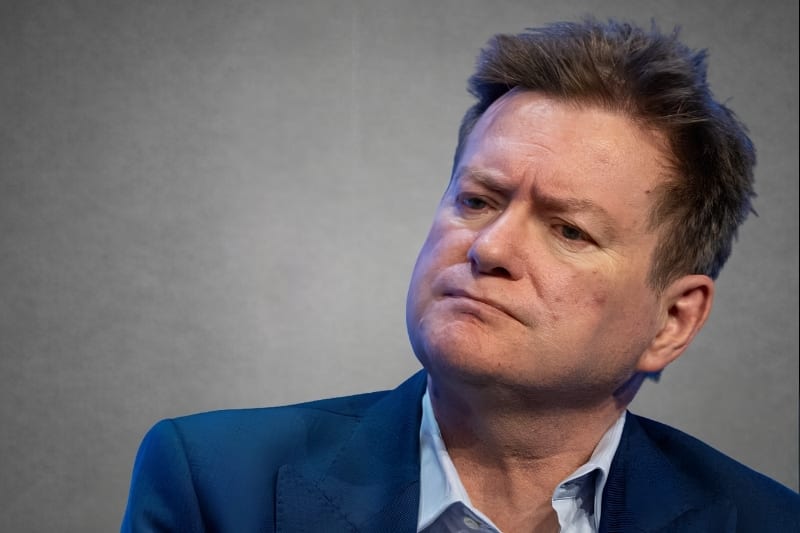
Co-Founder, Chairman & CIO at Marshall Wace
In this interview, Marshall Wace co-founder and chairman Sir Paul Marshall discusses running a ninety billion USD alternative asset management firm. Marshall explains the synergy…
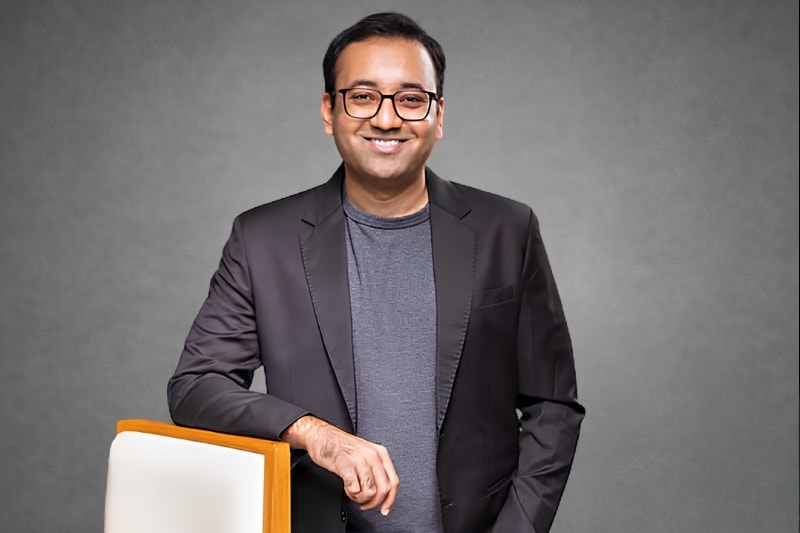
Co-Founder & CEO at Ather Energy
In this interview, Ather Energy co-founder and CEO Tarun Mehta discusses the evolution of India's electric two-wheeler market and the unveiling of the EL platform…