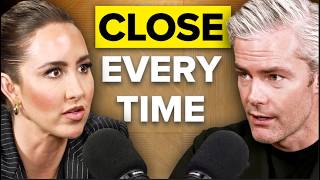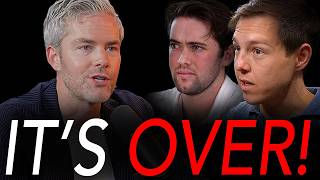
Ryan SerhantFounder and CEO, SERHANT.
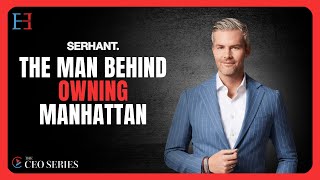
Ryan Serhant is the founder CEO behind SERHANT., building a content to commerce real estate company powered by education and an AI operating system, while balancing public visibility with the private weight of leadership.
Founder Stats
- AI, Production, Agencies, Creators, Technology
- Started 2020
- $1M+/mo
- 50+ team
- USA
About Ryan Serhant
Ryan Serhant is the founder and CEO of SERHANT., a next generation real estate brokerage built across media, education, and technology. In this interview he explains how he delegates operations, uses AI to remove admin work, and builds a brand engine that drives demand. He also talks about the loneliness of leadership, fear of wasted potential, and why scale makes storms survivable.
Interview
December 14, 2025
What is SERHANT., and what do you mean by "brokerage 3.0"?

It is a brokerage, but I call it brokerage 3.0. Our mission is to help everyone move forward. We help buyers move, sellers achieve the best possible price, and developers change the skyline. Our number one customer is the salesperson, the real estate agent, so we build the business around helping them win.
How do you support agents in a practical, day to day way?

We do it through an AI operating system called S.MPLE. At most firms, salespeople spend about 80 percent of their day managing admin tasks. At our firm, it is about 20 percent. That means more time meeting people, following up, negotiating, and doing the work that creates revenue.
Why did you build an education business next to the brokerage?

We have an edtech company called Sell It that does sales training and builds lead flow. We train tens of thousands of salespeople across many countries. That becomes top of funnel for the brokerage. Some people route into markets where we operate, and others stay in the education world until they are ready to level up.
What role does your production and content arm play in growth?

We also have a production company, SERHANT Studios. Content generates lead flow at the top of the organization. We bring it down into our salespeople and markets. People buy, sell, and develop real estate, then they create more content and it keeps going. It is a loop that turns attention into business.
How do you manage the Netflix spotlight while still leading a company?

I do not operate the company day to day. I learned a long time ago to do what you do best and everything else gets done by other people or systems. I still sell when it matters, and I focus on brand and expansion. I also make the big decisions that come out of operations, finance, and growth.
Has the show ever felt distracting to building the business?

There is a real battle between working on the business and working in the business. Promoting the show is me working on top, pushing it out there. Sitting with my team and planning how we become number one in a market is working in it. I try to time manage and delegate, but it is hard.
How do you plan big media moments so they support the business?

A Netflix release is like a movie premiere. You know the drop date far in advance, and you plan everything around it. We collect collaborations, interviews, and content for a long time so it all hits together. The point is a clear call to action that drives awareness and routes people into business.
What is your brand power ratio and why does it matter?

Because we raised money, we have a board and we track how much demand comes to us organically from the brand. That means no spend and often a CAC of zero. Most brokerages buy revenue, and some lose money doing it. We earn it because the brand pulls customers in without paid acquisition.
What part of you had to change to become a CEO?

Every part. I did not fully anticipate how hard being a CEO is. You set mission, vision, and plan, then you execute with other people. All day you handle the problems no one else can figure out, and those decisions can impact the rest of your life. That weight is real.
What has been one gut wrenching decision in the last few years?

Raising money was gut wrenching because we did not need to. We are profitable. But it was a decision about the next five years for sure, maybe ten. I already work seven days a week and the snowball keeps getting bigger. When you choose that path, you accept more pressure and visibility.
Why do you push scale so aggressively if it gets harder?

It does not get easier as you get bigger, it gets way harder. But it becomes more survivable. When you are small, one storm can kill you. When you have scale, you can weather lightning bolts and survive a bad season. Growth is painful, but it can reduce the fragility of the business.
Is leadership lonely at your level?

It is incredibly lonely. The buck stops with you, and it is public. You make decisions into the ether about a future that only you truly understand. Even if you have great people, you are still the one holding the final call and the risk. That can feel isolating for a long time.
What fear drives you the most as a founder?

A brutal fear of wasted potential. I feel a weird calling that brought me here, and it can feel like I have to sacrifice myself for everyone else’s success. It causes pain because I am not as present as I could be. I keep thinking one day it will slow down, but I do not know when.
Do you still sell deals personally?

Yes, but not like I used to. I focus on signature properties, the top 1 percent in every market we are in. In New York City, that is around 15 million and above. I do second showings, I negotiate, and I stay active because selling is still in my blood and it sets the standard.
What is the biggest threat to your business right now?

AI is not a threat for us, it is a massive opportunity as a partner, not a replacement. What I watch more is consolidation in the market and the risk of monopolies forming. If a few players control too much, it can make it harder for consumers to make the best decisions and change competition.
What would you tell young people who cannot afford homes?

Housing is completely unaffordable for most people. I tell people to rethink why they want to own in the first place. I am not a big believer that home ownership is the American dream. If you cannot afford one, do not stress. If you really want it, question location and what you actually need.
What does your day to day schedule look like in New York?

When I am in New York, I wake up at 4:30, gym by 5:30, and I am in the car by 7:30. I run appointments in tight blocks, often every 15 minutes. Then I usually have one, two, or three things at night. In sales, the goal is to meet as many people as possible.
Table Of Questions
Video Interviews with Ryan Serhant
Ryan Serhant on Owning Manhattan, Wasted Potential & AI in Real Estate | The CEO Series
Related Interviews

Mark Shapiro
President and CEO at Toronto Blue Jays
How I'm building a sustainable winning culture in Major League Baseball through people-first leadership and data-driven decision making.

Harry Halpin
CEO and Co-founder at Nym Technologies
How I'm building privacy technology that protects users from surveillance while making it accessible to everyone, not just tech experts.

Morgan DeBaun
Founder at Blavity
How I built a digital media powerhouse focused on Black culture and created a platform that amplifies diverse voices.