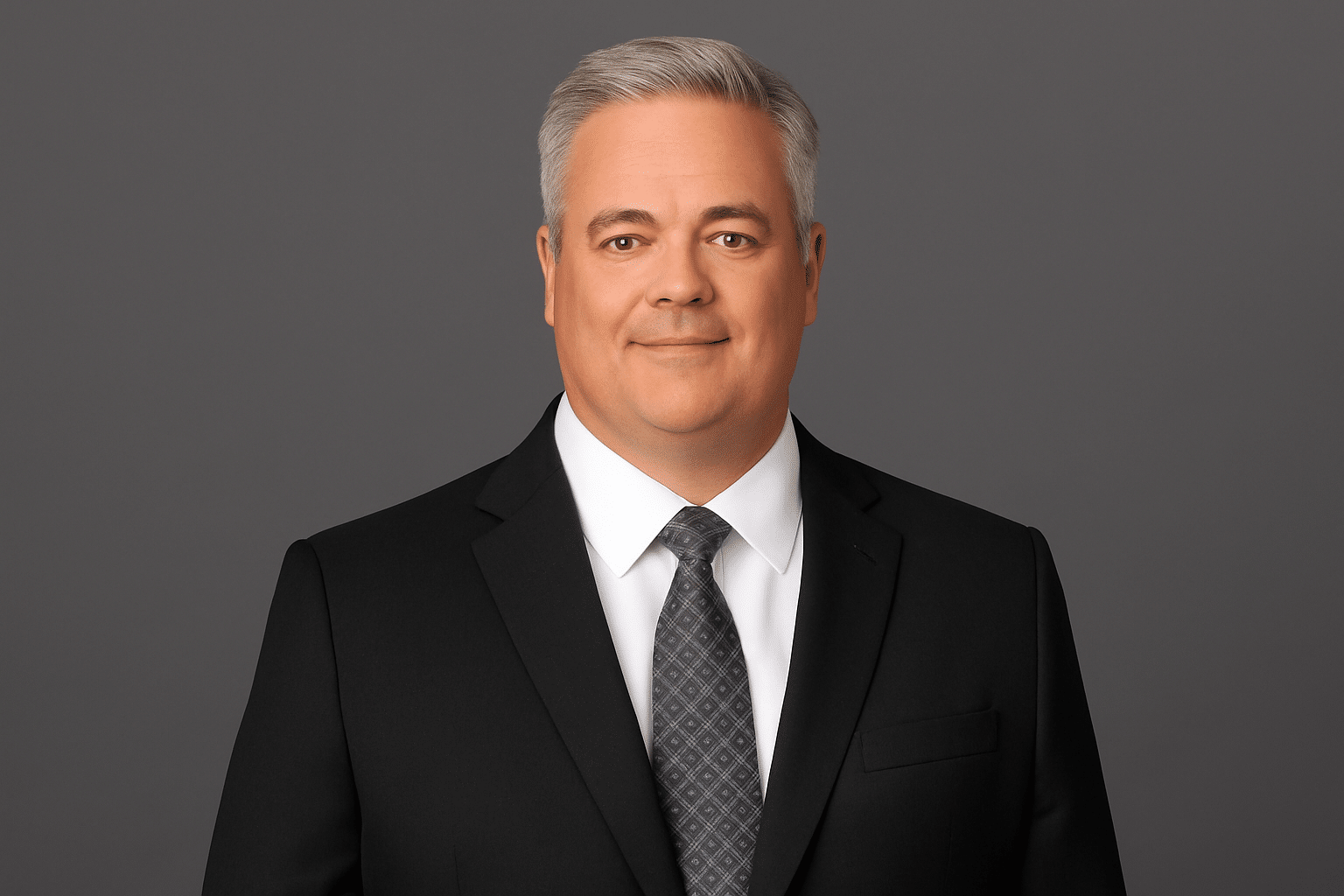
Patrick Kelleher is the CEO of GXO Logistics, one of the world’s largest pure-play contract logistics providers. He assumed the role after years of leadership experience across logistics, transportation, and supply chain management. Under his leadership, GXO has focused on expanding its North American presence, accelerating technology adoption, and strengthening customer partnerships through automation, artificial intelligence, and operational excellence.
Patrick Kelleher is CEO of GXO Logistics. He talks about why he joined GXO after watching it since the 2021 spin-off, why North America is a priority, and how B2B verticals can lift growth and margins. He also shares how GXO uses automation and AI to move faster, build stickier customer relationships, and run a feedback-driven performance culture.
December 17, 2025
I have a 32 year career in contract logistics, and I watched GXO since 2021 with admiration and a little envy. When Brad called, it was an easy decision. GXO is a pure play leader with agility, speed in decisions, and strong customer focus. The tech leadership and growth platform really stood out to me.
I majored in supply chain and started in 1992 at XL Logistics, which DHL acquired in 2005. I stayed in contract logistics my whole career. I held many roles that shaped how I compete and serve customers. From 2017 to 2023, I ran global sales, marketing, product development, verticals, and M&A as chief development officer.
Contract logistics is still a massive industry, around a 500 billion total addressable market, and it is fragmented globally. It keeps growing. GXO going public as a pure play helped define the market and created awareness of the industry potential. That is part of why the runway is attractive for a focused operator.
The speed and agility stand out, especially as a pure play public company. I like how fast we can make capital allocation and technology decisions. The performance mindset is real, and the customer focus is strong. It is exciting waking up every day working on technology, automation, and now AI and even humanoids in facilities.
Two thirds of our business is in the UK and Europe because M&A was very successful there. GXO doubled in size since the 2021 spin off, mostly from M&A in those theaters. But we have underdelivered on growth in North America versus the market and peers. With our capabilities, North America should be a key organic growth driver.
We brought in Michael Jacobs to lead North America and Asia Pacific. He is a 30 year industry veteran and comes from the customer side, so he understands what customers want. We are reallocating resources to sales and marketing, building a stronger digital marketing engine, and adding sales talent, especially in aerospace and defense.
About 70% of our GXO business is consumer facing, like e-commerce, omni channel, CPG, and retail. We want diversification by growing B2B verticals: aerospace, defense, life sciences, technology, and industrial. We have strong competencies from M&A and talented teams. These verticals bring more complex solutions and better profitability when executed well.
Tariffs are a catalyst for supply chain efficiency. When customers see disruption or headwinds, they become willing to make changes to capture efficiency. That creates supply chain change that can become permanent. It is good for the industry and great for GXO, because we are positioned to respond with proven tools, processes, and people.
We operate about 70 foreign trade zones globally, and the solution is becoming dramatically more interesting. The price point where it makes sense has moved down. Now even products with around 20 to 30 dollars individual value can have ROI, mainly by deferring tariff and duty payments for cash flow benefits. Customers are leaning into that fast.
We are strengthening digital marketing to connect with customers and also create interest in outsourcing. We are adding salespeople, especially in B2B verticals, and we are focusing on high growth markets like North America. The organization spent years digesting M&A. Now it is time to use that scale and capability to accelerate organic growth.
North America and B2B verticals are a major focus into 2026. In 2027, we can go deeper in Asia where we are well positioned in Thailand, Malaysia, and Singapore, with a toe in Australia. Customers are also interested in pulling us into the Middle East. That adds more total addressable market as we expand.
Organic growth is the first priority and margin expansion is a close second. Margin expansion is not dependent on volume returning. Two key levers are growing North America, which is healthy from a profitability perspective, and expanding B2B verticals with more complex solutions that have higher risk and higher reward. Mix and execution both matter.
We are adding a global chief operating officer to put a global lens on the business. After years of M&A, we ran more as regional silos. We see labor productivity opportunities by deploying the best tools consistently across 1200 plus operations, in what I call the GXO way. We also focus on technology ROI and procurement leverage.
When automation is employed, contracts are longer, typically 10 years or more, versus an average 5 year contract. Margins are higher in operations where automation and the technology ecosystem are deployed well. It creates stickiness because customers see proven ROI. Our job is to accelerate deployment and share value with customers while improving execution.
GXO IQ is the platform that helps us roll out AI faster into operations. You can think of it like a place where facility teams can shop for AI tools that deliver value. It interfaces with warehouse management systems and is agnostic to the WMS. It is integrated with our data lake, so we can measure ROI, improve modules, or stop tools that do not deliver.
The performance culture is real, and people talk like teammates and even athletes. The biggest underlying behavior is a feedback culture. I saw it in my interview with Brad and I see it in meetings now. People give compliments and constructive criticism openly. That is how teams stay high performing, move fast, and align around priorities like growth, margins, and service.
Use this interview in your research, article, or academic work

Co-Founder at Y Combinator
In this interview, Y Combinator co-founder Paul Graham reflects on twenty-one years of startup acceleration and forty-seven YC batches. Graham explores the nature of founder…

Founder & CEO at Food for Education
In this interview, Food for Education founder and CEO Wawira Njiru reflects on her foundational upbringing, family values, and the journey of building Africa's largest…

President & CEO at Sasol
In this interview, Sasol president and CEO Simon Baloyi discusses the operational turnaround of the global integrated chemicals and energy company. Baloyi details cross-functional collaboration…

Founder & CEO at Liquid
In this interview, Liquid founder and CEO Franklin Wang discusses the integration of conversational AI with cryptocurrency perpetual futures trading. Wang details how the Co-Invest…
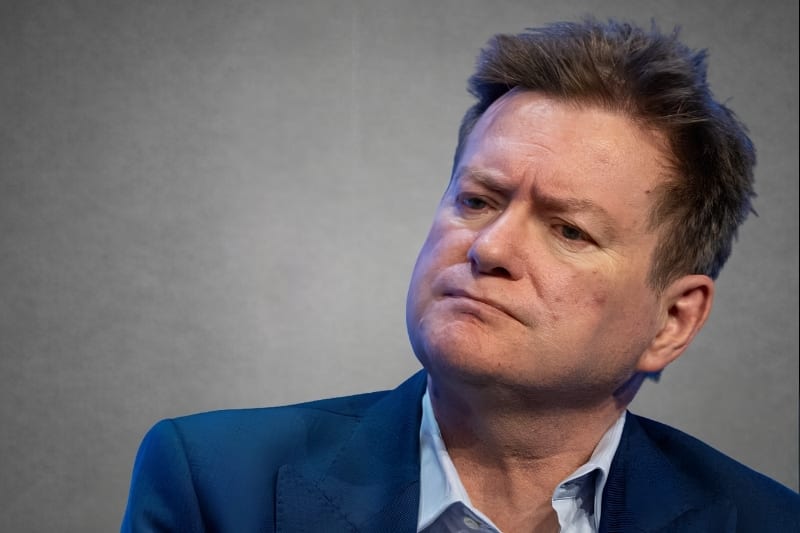
Co-Founder, Chairman & CIO at Marshall Wace
In this interview, Marshall Wace co-founder and chairman Sir Paul Marshall discusses running a ninety billion USD alternative asset management firm. Marshall explains the synergy…
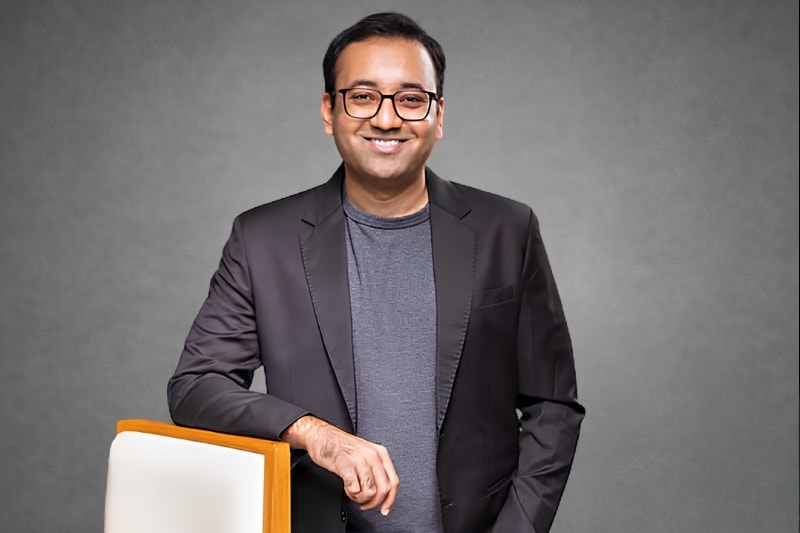
Co-Founder & CEO at Ather Energy
In this interview, Ather Energy co-founder and CEO Tarun Mehta discusses the evolution of India's electric two-wheeler market and the unveiling of the EL platform…