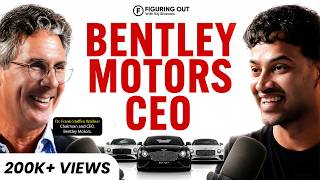
In this interview, Bentley Motors Chairman and CEO Dr. Frank-Steffen Walliser discusses the engineering, craftsmanship, and design philosophy behind high-performance luxury cars. Walliser explains why Bentley maintains manual clay modeling and hand sketching over artificial intelligence, details the aerodynamics and physics behind lap records, and outlines the complex processes of paint development and door sound engineering. He also shares insights on luxury brand identity, global ambassador partnerships, and career sacrifices.
Dr. Frank-Steffen Walliser is the Chairman and CEO of Bentley Motors, a premier British luxury automotive manufacturer. Previously, he served as a senior engineering executive at Porsche, where he led motorsport development and orchestrated the design of the legendary 918 Spyder hybrid supercar. Known for his uncompromising focus on mechanical precision, brand heritage, and tactile craftsmanship, Walliser now directs Bentley's transition toward sustainable high-performance luxury mobility.
August 25, 2026
AI uses existing images of cars to generate something new, which lacks genuine creativity and brand heritage. A hand sketch captures the designer's raw imagination. Designers have a unique talent that cannot be replaced by machines, and AI sketches often contain errors that human designers must manually fix.
Clay models are quick to modify and allow us to evaluate surfaces in three dimensions under real sunlight. We cannot judge a vehicle's highlights and form language purely on a flat screen. Because releasing a design kickstarts two hundred million euros in tooling, we use clay to ensure visual perfection.
Aerodynamics define rolling resistance and wind drag. At high speeds, minor surface changes can disrupt airflow and create turbulence, which slows down the vehicle. We design body panels to reduce lift and ensure stability at speeds of three hundred kilometers per hour, aligning design requirements with aerodynamic targets.
Top speed depends on engine power, tire rolling resistance, tire pressure, and gearbox efficiency. Lap times, however, are far more complex. They are determined by weight distribution, center of gravity, grip levels, downforce, and how much confidence the vehicle's feedback gives the driver to push to the limit.
In 2013, no production car had completed a lap in under seven minutes. We developed hybrid technology that lowered the center of gravity and utilized four-wheel drive. By optimizing weight distribution, aerodynamics, and tire performance, our driver broke the record on a dry morning, proving that hybrids can be high-performance sports cars.
Before our project, hybrid cars were viewed as boring, reliable commuter vehicles designed strictly for fuel efficiency. We wanted to prove that hybrid technology could deliver intense emotions and raw speed. Reaching that goal required optimizing every mechanical parameter to create a seamless connection between driver and machine.
True perfection requires aligning the product, process, and people. If you arrive at a racetrack and immediately start changing parts, updating software, or tweaking setups, your preparation was poor. You should unpack the car, put it on wheels, and be ready to race immediately without secondary adjustments.
Human emotions are driven by all five senses, and hearing is directly wired to the brain as a primary warning system. A silent vehicle feels unnatural and lacks sensory feedback. We are developing a crafted sound profile created by an orchestra, rather than a computer-generated sound, to restore that emotional connection.
Robots cannot handle soft, flexible materials like leather, making hand-stitching necessary. Similarly, the final paint polishing requires highly skilled human hands to detect surface variations. Our customers value this craftsmanship because it gives their specific vehicle a personal, handcrafted connection that off-the-shelf products lack.
Closing a door is a customer's first physical interaction with a car. An expensive sound lacks secondary panel vibrations and registers at a deep frequency, indicating solidity. We use acoustic cameras to eliminate swinging panels and spend months engineering the door stiffness and seals to perfect that closing sound.
Natural materials like wood, leather, and wool calm us down by connecting us to nature. Sourcing wood, slicing it thin, and mirroring the grain patterns across the dashboard requires immense craftsmanship. Touching a natural wood surface provides a luxurious, tactile experience that machined plastic cannot replicate.
Staying true to our heritage is what preserves our value. We do not copy competitors or chase passing design trends. Bentley is unique because our brand can cover a highly luxurious sedan and an extreme sports car without diluting its identity. We maintain our characters by focusing entirely on the product.

Use this interview in your research, article, or academic work

President & CEO at Sasol
In this interview, Sasol president and CEO Simon Baloyi discusses the operational turnaround of the global integrated chemicals and energy company. Baloyi details cross-functional collaboration…
Co-Founder & CEO at Ather Energy
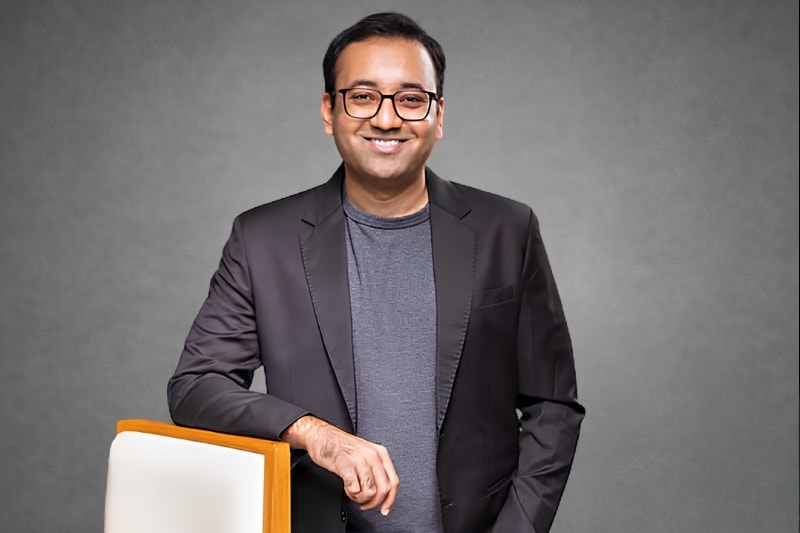
In this interview, Ather Energy co-founder and CEO Tarun Mehta discusses the evolution of India's electric two-wheeler market and the unveiling of the EL platform…

Founder & CEO at Rocket Lab
In this interview, Rocket Lab founder and CEO Sir Peter Beck discusses the company's evolution from a rocket launch startup into an integrated space systems…

Co-founder & Board Chair at Spin Master
In this interview, Spin Master co-founder Ronnen Harary discusses building a global toy empire, the power of entrepreneurship, and overcoming learning disabilities. Harary shares the…
CEO at American Pacific Mining Corp.
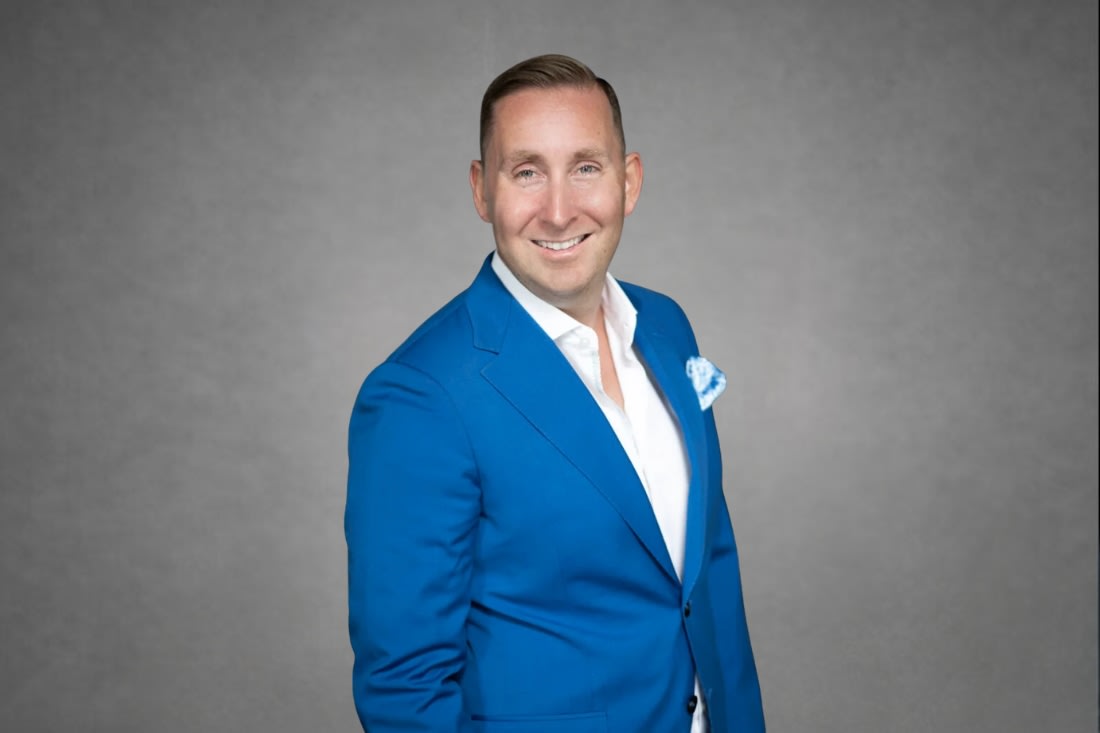
Warwick Smith is the CEO of American Pacific Mining, a U.S.-focused copper and gold exploration company. With over 25 years in the mining industry, he…

Co-Founder at Y Combinator
In this interview, Y Combinator co-founder Paul Graham reflects on twenty-one years of startup acceleration and forty-seven YC batches. Graham explores the nature of founder…