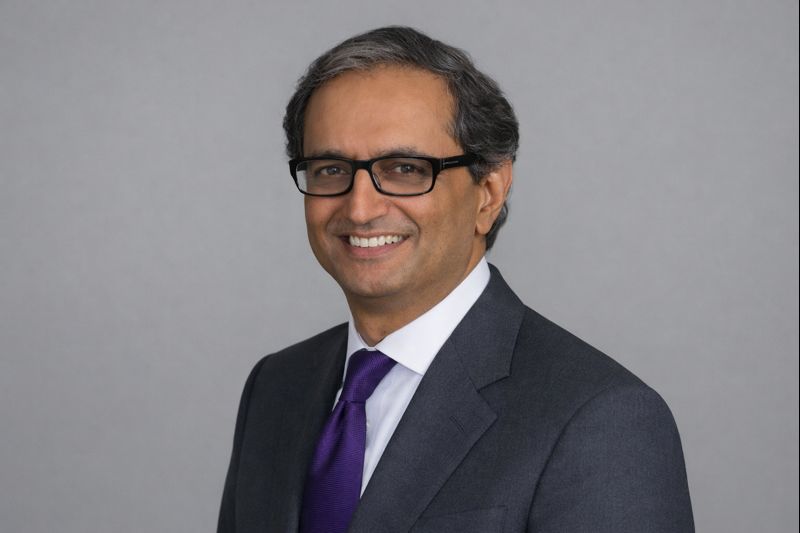
Vikram Pandit, Former CEO, Citigroup at Citigroup
4.7/5 Rating
Finance
$1M+/mo

Vikram PanditFormer CEO, Citigroup

Vikram Pandit is a global finance leader and former CEO of Citigroup, known for leading large institutions through crisis, transformation, and long-term restructuring.

Vikram Pandit

Vikram Pandit

Former CEO, Citigroup

Citigroup

Citigroup

Founder Stats

  • Finance
  • Started 2007
  • $1M+/mo
  • 50+ team
  • USA

About Vikram Pandit

Vikram Pandit is a global financial leader and former CEO of Citigroup. In this interview, he shares lessons on leadership under pressure, ethical responsibility, decision-making during crisis, and how long-term thinking, trust, and discipline shape sustainable organizations.

Interview

December 31, 2025

Q

What early experience shaped your approach to leadership?

Question 1 of 17
Vikram Pandit

Early in my career, I learned that responsibility comes before authority. Being trusted with serious decisions at a young age showed me that leadership is not about position, but about judgment, accountability, and earning confidence from others.

Q

How did crisis leadership change your perspective?

Question 2 of 17
Vikram Pandit

Crisis strips away comfort and forces clarity. You quickly learn what truly matters, which decisions can wait, and which cannot. It taught me to stay calm, focus on fundamentals, and communicate honestly even when the message is difficult.

Q

Why is decision-making under pressure so challenging?

Question 3 of 17
Vikram Pandit

Pressure compresses time and amplifies consequences. Leaders must decide with incomplete information while knowing people’s livelihoods are affected. Preparation, principles, and experience matter more than instinct in those moments.

Q

How do you balance short-term survival with long-term value?

Question 4 of 17
Vikram Pandit

Short-term actions must always support long-term trust. You can stabilize quickly, but if you damage credibility or culture, recovery becomes harder. Sustainable leadership aligns immediate decisions with long-term institutional health.

Q

What role does ethics play in financial leadership?

Question 5 of 17
Vikram Pandit

Ethics is not separate from performance. Financial systems depend on trust. Once trust is lost, no amount of capital can replace it. Leaders must understand that ethical failures create systemic risk.

Q

How should leaders approach responsibility for tough outcomes?

Question 6 of 17
Vikram Pandit

Leaders must own outcomes fully, especially the painful ones. Explaining decisions honestly builds credibility. Avoiding responsibility damages morale and weakens leadership authority.

Q

Why is transparency important during uncertainty?

Question 7 of 17
Vikram Pandit

People can handle bad news better than silence. Transparency reduces fear and speculation. Clear communication helps teams stay focused and aligned during unstable periods.

Q

What mistakes do leaders often make during crises?

Question 8 of 17
Vikram Pandit

Many leaders act too quickly without fully understanding root problems. Others delay hard decisions hoping conditions improve. Both approaches increase risk. Disciplined analysis and decisive execution must work together.

Q

How do large organizations maintain agility?

Question 9 of 17
Vikram Pandit

Agility comes from clarity, not speed alone. Clear priorities, empowered teams, and strong governance allow large organizations to move quickly without chaos.

Q

What defines strong executive judgment?

Question 10 of 17
Vikram Pandit

Strong judgment combines data, experience, and values. It means knowing when numbers are sufficient and when human impact must weigh heavier in decisions.

Q

How do leaders build trust at scale?

Question 11 of 17
Vikram Pandit

Trust grows through consistency. When leaders act predictably, keep commitments, and communicate clearly, trust spreads across large organizations over time.

Q

Why is culture critical in financial institutions?

Question 12 of 17
Vikram Pandit

Culture guides behavior when rules are unclear. In complex systems, values determine decisions more than policies. A strong culture reduces risk and improves accountability.

Q

What role does learning play in leadership growth?

Question 13 of 17
Vikram Pandit

Leadership requires continuous learning. Markets change, risks evolve, and assumptions expire. Leaders who stop learning fall behind quickly.

Q

How should leaders approach failure?

Question 14 of 17
Vikram Pandit

Failure should inform, not define. Leaders must analyze mistakes honestly, correct course, and move forward without denial or blame.

Q

What advice would you give to new executives?

Question 15 of 17
Vikram Pandit

Build credibility early, listen more than you speak, and understand your organization deeply before trying to change it.

Q

How do values guide difficult trade-offs?

Question 16 of 17
Vikram Pandit

Values act as decision anchors. When outcomes conflict, values help leaders choose consistently and explain decisions clearly to stakeholders.

Q

What defines lasting leadership success?

Question 17 of 17
Vikram Pandit

Lasting success means leaving institutions stronger than you found them, with resilient systems, trusted leadership, and sustainable performance.

Video Interviews with Vikram Pandit

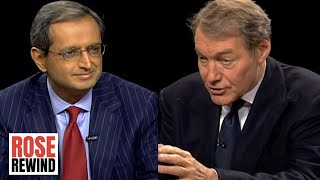
Citigroup CEO Vikram Pandit on toxic assets and bailout l Charlie Rose Rewind

Citigroup CEO Vikram Pandit on toxic assets and bailout l Charlie Rose Rewind

Citigroup CEO Vikram Pandit on toxic assets and bailout l Charlie Rose Rewind

View From The Top: Citigroup CEO Vikram Pandit

View From The Top: Citigroup CEO Vikram Pandit