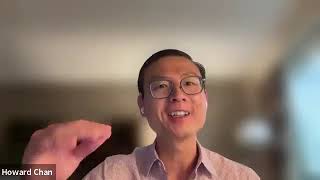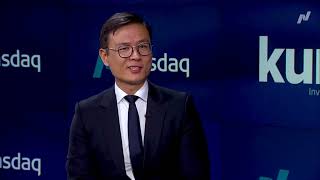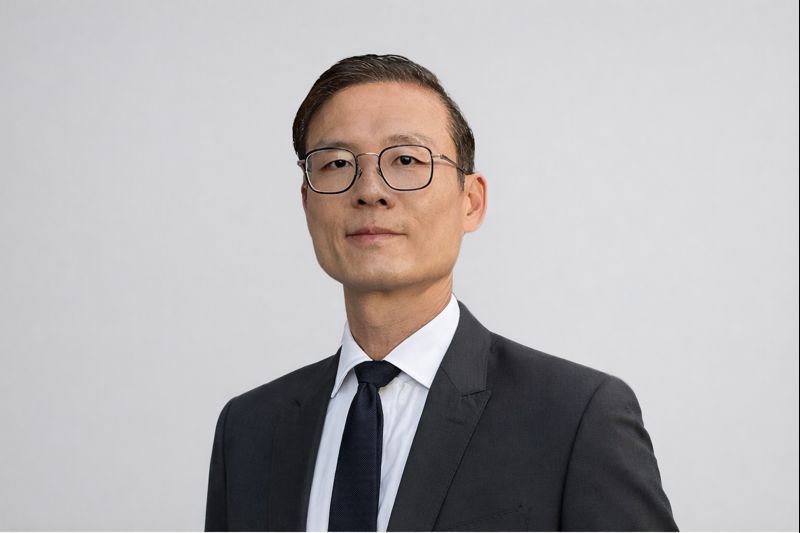
Howard ChanCEO & CIO, Kurv
Howard Chan is CEO of Kurv, an investment firm known for active option income strategies that focus on NAV stability, disciplined risk management, and sustainable income.
Founder Stats
- Finance, Technology
- Started 2022
- $1M+/mo
- 50+ team
- USA
About Howard Chan
Howard Chan is the CEO and CIO of Kurv. In this interview, he shares how disciplined risk management, adaptive option strategies, and long-term thinking help deliver both income and growth. He also discusses leadership lessons, portfolio construction, and why protecting NAV always comes before chasing yield.
Interview
December 28, 2025
What was your original goal when you started working on KQQ?

The goal was to build a product I would personally invest in. I wanted consistent income, NAV stability, and long-term growth. We avoided flashy numbers at launch and focused instead on sustainability, discipline, and performance across different market environments.
Why was NAV stability so important to you?

NAV erosion destroys long-term value and investor trust. Income means very little if you slowly give back principal. From day one, our focus was protecting NAV so investors could rely on both income and capital preservation.
How do you decide when to increase distributions?

We don’t target a fixed yield. We distribute what the market gives us. When volatility is higher, we harvest more premium and save some in a reserve. Only after NAV is strong do we raise distributions responsibly.
What would cause distributions to be reduced?

If markets turn adverse and option premiums fall, we first use our income reserve. If conditions worsen and reserves are used up, we would lower distributions to protect NAV. Capital preservation always comes first.
How does your background influence your leadership style?

Coming from PIMCO, I naturally think in terms of macro risk, discipline, and long-term outcomes. That background shaped how I manage uncertainty, balance risk, and stay patient during volatile market cycles.
Why focus on technology companies in this strategy?

Technology companies tend to have higher implied volatility, which allows us to harvest more option premium. At the same time, we focus on profitable, dominant companies with strong long-term business models.
How do you define a tech titan?

A tech titan uses technology to transform its industry. These companies often have pricing power, strong margins, and leadership positions. They are not limited to AI names and include firms like Uber or Netflix.
Why is your portfolio more concentrated than the NASDAQ 100?

We typically hold 15 to 25 names. Concentration allows stock selection to matter. We are not forced to own weaker names just because they are in an index, which improves both risk control and performance.
How do you balance long-term conviction with short-term opportunities?

We hold stocks for long-term exposure and use synthetic replication for tactical adjustments. This allows us to express short-term views without constantly trading shares or creating unnecessary transaction costs.
What problem does synthetic price replication solve?

It helps reduce cash drag. Synthetic longs keep the portfolio fully invested while maintaining liquidity. The unused capital is placed in Treasuries, improving efficiency while still allowing us to meet redemptions.
How important is operational efficiency in fund management?

Operational efficiency directly impacts returns. Using our own ETFs allows better execution, lower costs, and faster adjustments. Most importantly, we avoid double dipping on fees and pass those efficiencies to investors.
Why do you actively manage volatility instead of using a fixed strategy?

Markets change constantly. A fixed covered call strategy always caps upside. We adjust option exposure depending on momentum and risk, allowing participation in rallies and protection during uncertainty.
How do protective puts fit into your approach?

Protective puts are used selectively to reduce downside and volatility. In recent sell-offs, those puts were monetized for profit. They are not just insurance but an active risk management tool.
How do you handle bear markets?

In downturns, volatility rises, which can benefit option income. We increase defensive strategies like cover calls and selective puts to reduce sensitivity and protect capital while still generating income.
Why is return of capital important for investors?

Return of capital improves tax efficiency. It allows distributions to reduce cost basis instead of being taxed immediately. This helps investors compound income without annual tax drag until they exit.
What separates first-generation and second-generation option ETFs?

First-generation ETFs focused mainly on income and accepted underperformance. Second-generation strategies aim to deliver both income and price appreciation by actively managing delta and option exposure.
What leadership lesson stands out most from your journey?

Strong products don’t automatically succeed. Education and communication matter. Investors want to understand the process, not just the yield. Trust is built through transparency, discipline, and consistency over time.
Table Of Questions
Video Interviews with Howard Chan
Howard Chan Implied Volatility Ceo of Kurv Invest Talks with Mr.Cash
Related Interviews

Tom Halverson
CEO, CoBank at CoBank
Tom Halverson is CEO of CoBank and a member of the Brookings–AEI Commission on Rural Prosperity, bringing decades of global finance experience to strengthening rural America.

Pärtel Tomberg
CEO & Co-founder, Bondora at Bondora
Pärtel Tomberg is the CEO and co-founder of Bondora, a European fintech company focused on simple investing, fair consumer credit, and long-term financial stability.

Vikram Pandit
Former CEO, Citigroup at Citigroup
Vikram Pandit is a global finance leader and former CEO of Citigroup, known for leading large institutions through crisis, transformation, and long-term restructuring.