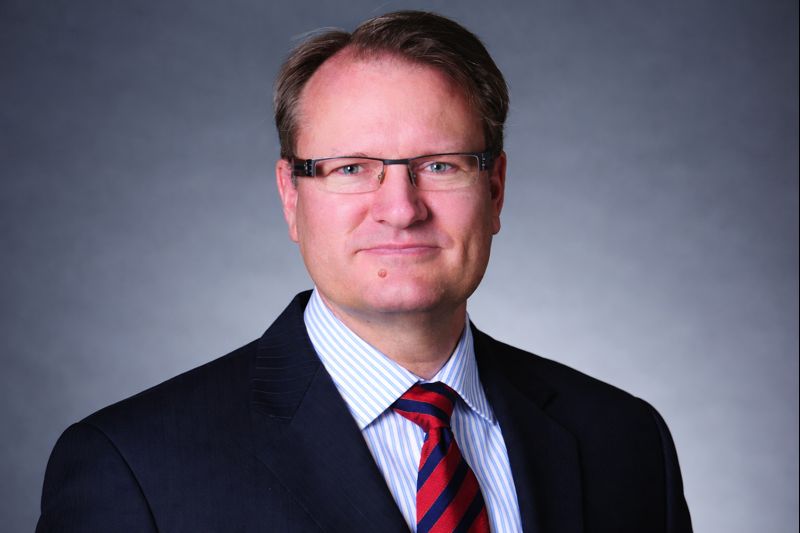
Tom HalversonCEO, CoBank
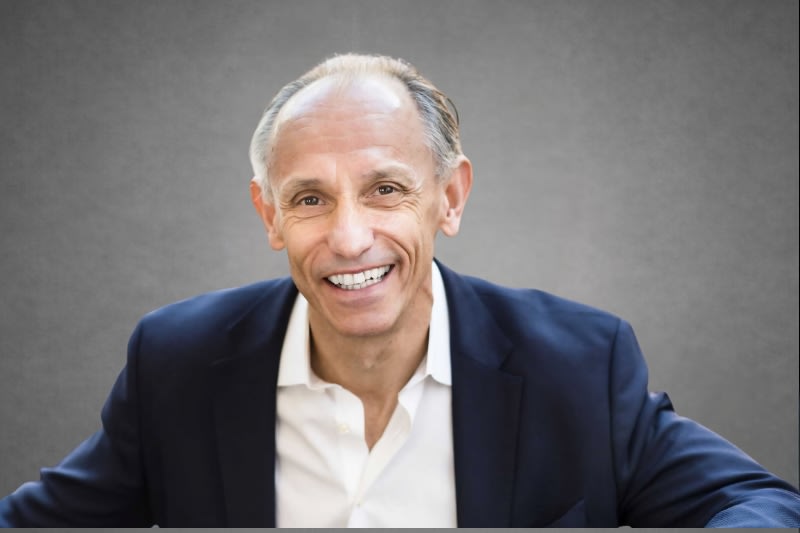
Tom Halverson is CEO of CoBank and a member of the Brookings–AEI Commission on Rural Prosperity, bringing decades of global finance experience to strengthening rural America.
Founder Stats
- Finance, Agriculture, Infrastructure
- Started 1977
- $1M+/mo
- 50+ team
- USA
About Tom Halverson
Tom Halverson is the CEO of CoBank and a longtime leader in global finance. In this interview, he shares lessons on leadership, rural business growth, technology, demographics, and why transparency and culture matter when building sustainable rural economies.
Interview
December 27, 2025
Can you tell us about your background and interest in rural America?

I come from a family of immigrant farmers in Iowa and have lived in many rural communities. That experience shaped my values. Rural America is personal to me. It is where my family worked and built a future, so its long-term health and success matter deeply to me.
How did your global finance career shape your leadership style?

I spent most of my career in investment banking and international finance, working in about 65 countries. That experience taught me how economies work, why culture matters, and how leaders must listen, adapt, and think long-term when managing complex organizations.
What motivated you to join CoBank?

After many years in global finance, I wanted to do work that mattered as a mission, not just a job. CoBank allowed me to apply my experience to support agriculture, infrastructure, and rural communities, which closely aligned with my personal values.
How does CoBank support rural businesses?

CoBank provides reliable credit to agriculture, agribusiness, and cooperatives. We also finance electric power, communications, and water infrastructure. Most of our customers are in rural America, so our role is to support stability, growth, and long-term investment.
Why did you join the Rural Prosperity Commission?

The commission’s mission closely overlaps with CoBank’s mission. Both focus on rural opportunity and sustainability. I wanted to contribute by listening to communities, sharing insights, and helping shape a national rural strategy that reflects real local experiences.
What stood out from your visit to Grand Farm?

Grand Farm highlighted how advanced modern agriculture really is. The technology, innovation, and research are world-class. It reinforced that rural America is not outdated but forward-looking, driven by sophisticated business people using cutting-edge tools.
How do you see technology shaping rural businesses?

Technology has transformed rural productivity. Agriculture has doubled productivity in my lifetime because of innovation. Modern tools, data, and communications allow rural businesses to compete globally while staying rooted in their local communities.
What impressed you about local government leaders?

Local leaders were practical and nonpartisan. They focused on real problems like infrastructure and services, not ideology. In small communities, every person matters, so leaders must collaborate, respect differences, and use all available resources effectively.
Why does culture matter so much in leadership?

Culture shapes how people work together and solve problems. From my global experience, culture always matters. Rural America is diverse, not one culture. Understanding that helps leaders design better policies and build trust within communities.
What did you learn from visiting the White Earth Reservation?

I realized how much more I need to learn. I had less exposure to tribal nations. I was impressed by the commitment of tribal leaders and their dedication to community investment. It reinforced the importance of listening and learning deeply.
What surprised you during that visit?

I was surprised by how young many leaders were. They were educated, capable, and early in their careers. That was encouraging and showed strong leadership potential, while also raising questions about how to support and retain that talent.
Why are demographics critical for rural growth?

Demographics matter deeply. Shrinking communities face major challenges. To succeed long-term, rural places must retain young people, offer jobs, education, housing, and healthcare. Without growth, sustaining opportunity becomes very difficult.
How do youth opportunities affect rural futures?

Young people determine the future of communities. Rural areas must offer attractive opportunities to keep or bring them back. Technology and strong communications now make it easier to work and build businesses in rural places.
What role does data transparency play in policy?

Many local leaders lack visibility into how funds flow and how to access resources. Without data, decision-making is harder. Improving transparency alone could significantly improve outcomes, even without creating new programs.
How can access to resources be improved?

Funding systems are complex and difficult to navigate. Even simplifying existing processes would help. Clearer information, better coordination, and guidance could unlock progress without adding new bureaucracy.
What did you learn from past rural policy efforts?

Learning about the 1970 rural commission was eye-opening. Nothing similar has happened since. That showed how overdue a holistic, bipartisan approach is to understanding rural policy and making it fit for today’s challenges.
How do you feel about the future of rural America?

I feel optimistic and proud to be involved. Rural America plays a critical role in the country’s economy and stability. With thoughtful listening, collaboration, and modern policy approaches, meaningful progress is absolutely possible.
Table Of Questions
Video Interviews with Tom Halverson
America’s Rural Future: Interview with Tom Halverson, CEO, CoBank
Related Interviews

Howard Chan
CEO & CIO, Kurv at Kurv
Howard Chan is CEO of Kurv, an investment firm known for active option income strategies that focus on NAV stability, disciplined risk management, and sustainable income.

Pärtel Tomberg
CEO & Co-founder, Bondora at Bondora
Pärtel Tomberg is the CEO and co-founder of Bondora, a European fintech company focused on simple investing, fair consumer credit, and long-term financial stability.

Vikram Pandit
Former CEO, Citigroup at Citigroup
Vikram Pandit is a global finance leader and former CEO of Citigroup, known for leading large institutions through crisis, transformation, and long-term restructuring.