In this interview, Biocon founder and executive chairperson Kiran Mazumdar-Shaw discusses the pioneering of India's biotechnology sector, from launching an enzyme startup to building a global leader in biosimilars. Mazumdar-Shaw shares insights on disrupting the insulin market, expanding CAR-T cell therapy access, and navigating regulatory pathways. She critiques India's risk-averse investment climate, details urban governance initiatives in Bengaluru, and explains how purpose-driven leadership eliminates professional self-doubt.
Kiran Mazumdar-Shaw is the founder and executive chairperson of Biocon Limited, India's pioneer biotechnology enterprise. After completing her education in brewing at Ballarat College in Australia, she established Biocon in a Bengaluru garage in 1978. Under her leadership, the company grew from an industrial enzyme manufacturer into a global leader in biosimilars, recombinant insulin, and oncology therapies. She has been recognized globally for her contributions to science, health, and urban civic policy.
July 23, 2026
In 1978, the corridors of Udyog Bhavan were filled with touts demanding bribes to speed up applications. I walked directly into the office of the secretary in charge, Mr. Biswas, and explained that I wanted to build an honest company. He was horrified, gave me a desk, and processed my license in two weeks.
My Irish partner offered a buyback guarantee, which solved the initial customer acquisition problem. We extracted papain from papaya latex and developed fermentation technologies for fungal enzymes. I was excited because enzyme catalysts are green technologies that replace polluting chemical processes.
I like to challenge myself and reinvent my business. Around 1996, I decided to apply our fermentation platforms to pharmaceuticals. We successfully produced statins, capturing a significant share of the global active pharmaceutical ingredient market, and then began targeting recombinant human insulin.
Generics are copies of small, chemically synthesized molecules like aspirin, which have simple structures. Biosimilars are copies of large, complex proteins produced by living cells, like monoclonal antibodies. Because proteins fold into complex shapes, copying them requires high-level biotechnology.


Use this interview in your research, article, or academic work

Founder & Creative Director at Oner Active
In this interview, Oner Active founder Krissy Cela shares her journey from waitressing and compiling workout PDFs on a student laptop to building a bootstrapped…

Founder & Group CEO at Discovery Group
In this interview, Discovery Group founder and CEO Adrian Gore discusses the behavioral economics behind his shared-value insurance model. Gore outlines the four principles of…
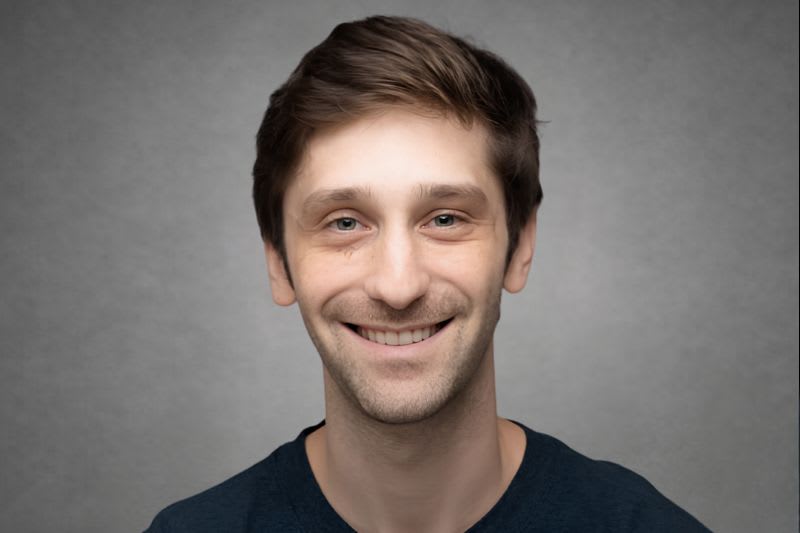
Co-Founder & CEO at Chapter
In this interview, Chapter co-founder and CEO Cobi Blumenfeld-Gantz discusses the company's rise to a $3 billion valuation in the senior health navigation market. He…

Founder & CEO at Tomorrow.bio
In this interview, Emil Kendziora discusses the future of cryopreservation, longevity science, and the pursuit of life extension. He explains why he views cryostasis as…

CEO at Oscar Health
In this interview, Oscar Health CEO Mark Bertolini explains how technology, AI, and consumer choice can reshape the health insurance industry. He discusses the future…

Co-Founder at Y Combinator
In this interview, Y Combinator co-founder Paul Graham reflects on twenty-one years of startup acceleration and forty-seven YC batches. Graham explores the nature of founder…