In this interview, Karan Virwani discusses how WeWork India became the country’s largest premium flexible workspace operator by combining institutional discipline with entrepreneurial agility. He explains why demand from multinational corporations, global capability centers, and fast-growing Indian businesses continues to drive growth. Virwani also shares lessons on unit economics, culture, market selection, and building a resilient business by focusing on long-term customer needs rather than short-term trends.
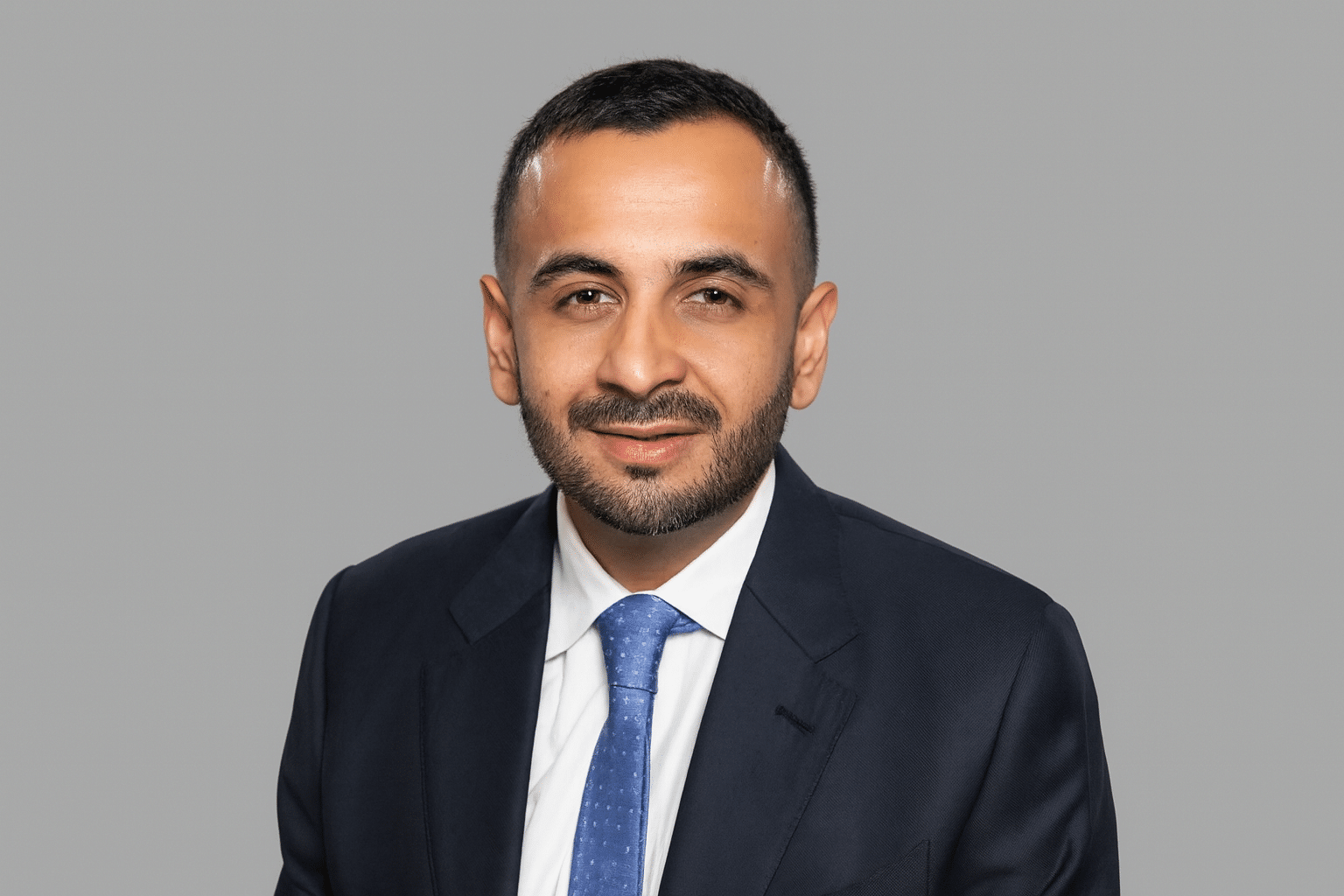
Karan Virwani is the CEO of WeWork India, one of India’s leading premium flexible workspace providers. A second-generation entrepreneur and member of the Embassy Group family, he helped bring the WeWork model to India and adapt it for local market dynamics. Under his leadership, the company has expanded across major metropolitan cities, serving multinational corporations, startups, and enterprise clients while maintaining a strong focus on operational excellence and sustainable growth.
December 8, 2025
Today the whole game is about talent. The largest employers are still global businesses and GCCs. It started with Fortune 100 and Fortune 1000 companies, and now you also see mid-tier global firms setting up centers in India. On top of that, Indian corporates are starting to scale and compete for the same talent.
We are not really looking to go into tier 2 and tier 3 right now because that is not where most of the large employers are. Global multinationals and top Indian companies want top talent, and that talent still wants to come to places like Bombay and Bangalore for jobs, social infrastructure, schools, and better housing.
For us, the focus is on a premium product and experience. Our spaces, design, service, and community are at a different level, and large companies are willing to pay for that environment. That price is what makes the model sustainable and profitable. We do not want to play the lowest-price game in this segment.
Competition is definitely heating up. There are hundreds of operators, and some are now listed, so they have access to capital. Our response is to separate ourselves on quality of product, quality of service, technology, and network effects. At similar or even smaller square footage, our revenue and profitability are much higher, which gives us comfort.
Because we never raised venture capital, we had to be disciplined from day one. We focused on unit economics, selecting the right assets, and growing fast but not at any cost. Globally, growth sometimes became the only goal. In India, our own capital forced us to build something that actually works on the P&L and balance sheet.
Globally they went into hyper-growth mode and expanded into many cities where demand was not deep enough. When the market stopped rewarding growth at any cost, that model broke. In India the situation is different. Grade A supply is limited, demand is strong, and we stayed disciplined. That combination let the model work here even when it was under pressure elsewhere.
We already have about 10 million square feet signed or identified, compared to roughly 7.7 million operational now, so near-term capacity growth is locked in. We think we can add 20,000 to 30,000 desks every year. Around half of our growth comes from existing members expanding, so a lot of demand is already inside the portfolio.
We see ourselves as more than just workspace. There are opportunities in transport as a service, food and catering, and employee engagement. Companies want great culture and experiences but do not always know how to design that. We can curate events, programs, and services around their teams and offices, and that lets us go deeper into each client’s wallet share.
I think we can. A lot of our fixed costs stay quite flat even as we add more centers, so operating leverage kicks in. Rentals in good locations are also rising, which lets us move prices up while still offering savings versus a traditional setup. Our internal focus is always on bottom-line growth, not just number of centers.
India’s office market is really driven by talent and demographics. Global companies need young, tech-savvy people, and they cannot find them at scale in many other countries. At the same time, businesses are more dynamic, with cycles of hiring and downsizing. Flexible workspaces turn real estate from a fixed cost into an enabler, matching their speed instead of holding them back.
My dad split from his family when I was very young and had to build Embassy almost from scratch. I saw the tough years, the late nights, and the constant grind before it became what it is now. That gave me a lot of respect for hard work and showed me that large outcomes come only from showing up every single day.
There are definite pros and cons. On one hand, there is a big foundation and a clear path that shows what is possible. On the other hand, expectations are always high. For me, that creates pressure but also belief. I know big things can be built with hard work, and I feel a responsibility to add to the legacy, not just inherit it.
In my last year of college I started a hospitality business with a partner in Bangalore. We ran restaurants and catering, and it is still running. That experience showed me how hard it is for a startup to set up in India. There was no proper infrastructure, we met people in rented apartments and cafés, and every small decision mattered. It toughened me up.
I did spend time in the family business, but I always wanted to build something with my own flavor. When we walked into a WeWork in New York, it was a light-bulb moment. We knew if this existed in India it would explode. Taking the franchise, investing our own money, and growing it gave me autonomy and a separate identity while still staying under the larger umbrella.
I definitely see myself doing more in the future. There is still so much white space in India. Real estate itself uses very little technology, so there is room for better tools, data, and construction tech. I am also very interested in robotics, AI, and energy. Buildings that can generate and manage their own power could completely change how cities work.
Use this interview in your research, article, or academic work

Co-Founder at Y Combinator
In this interview, Y Combinator co-founder Paul Graham reflects on twenty-one years of startup acceleration and forty-seven YC batches. Graham explores the nature of founder…

Founder & CEO at Food for Education
In this interview, Food for Education founder and CEO Wawira Njiru reflects on her foundational upbringing, family values, and the journey of building Africa's largest…

President & CEO at Sasol
In this interview, Sasol president and CEO Simon Baloyi discusses the operational turnaround of the global integrated chemicals and energy company. Baloyi details cross-functional collaboration…

Founder & CEO at Liquid
In this interview, Liquid founder and CEO Franklin Wang discusses the integration of conversational AI with cryptocurrency perpetual futures trading. Wang details how the Co-Invest…
Co-Founder, Chairman & CIO at Marshall Wace
In this interview, Marshall Wace co-founder and chairman Sir Paul Marshall discusses running a ninety billion USD alternative asset management firm. Marshall explains the synergy…
Co-Founder & CEO at Ather Energy
In this interview, Ather Energy co-founder and CEO Tarun Mehta discusses the evolution of India's electric two-wheeler market and the unveiling of the EL platform…