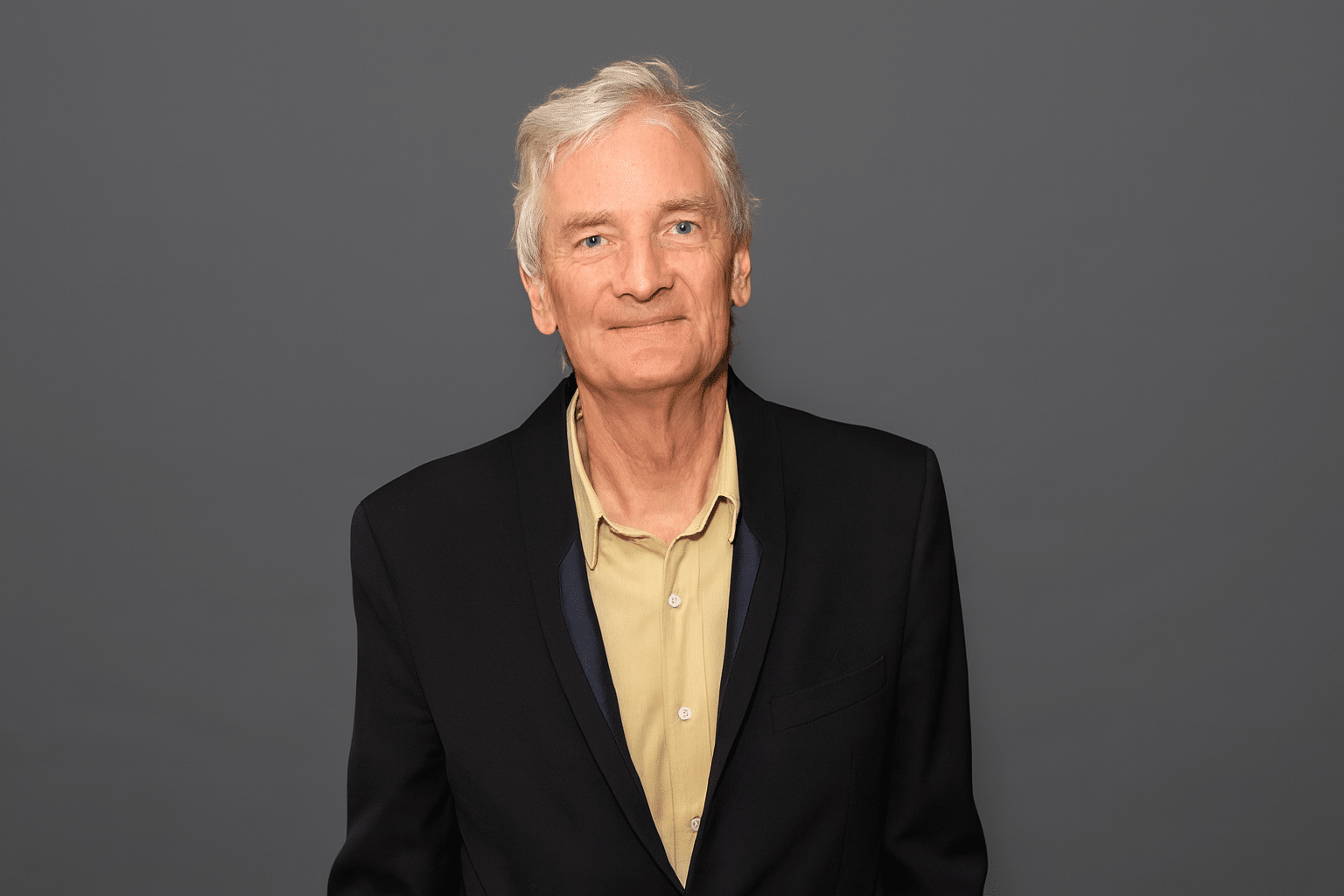
In this interview, James Dyson discusses how relentless experimentation and thousands of prototypes shaped the success of Dyson. He explains why engineering excellence, intellectual property, and manufacturing control create lasting competitive advantages. Dyson also shares lessons on innovation, product development, and scaling into new categories, emphasizing that sustainable growth comes from solving meaningful customer problems rather than following market trends.
Sir James Dyson is the founder of Dyson, a global technology company known for its innovations in vacuum cleaners, air treatment products, hair care devices, and advanced engineering. An inventor and entrepreneur, he built the company through a relentless focus on problem-solving, product design, and research-driven innovation. His work has made Dyson one of the world's most recognized engineering and consumer technology brands.
December 18, 2025
Use this interview in your research, article, or academic work

Co-Founder at Y Combinator
In this interview, Y Combinator co-founder Paul Graham reflects on twenty-one years of startup acceleration and forty-seven YC batches. Graham explores the nature of founder…

Founder & CEO at Food for Education
In this interview, Food for Education founder and CEO Wawira Njiru reflects on her foundational upbringing, family values, and the journey of building Africa's largest…

President & CEO at Sasol
In this interview, Sasol president and CEO Simon Baloyi discusses the operational turnaround of the global integrated chemicals and energy company. Baloyi details cross-functional collaboration…

Founder & CEO at Liquid
In this interview, Liquid founder and CEO Franklin Wang discusses the integration of conversational AI with cryptocurrency perpetual futures trading. Wang details how the Co-Invest…
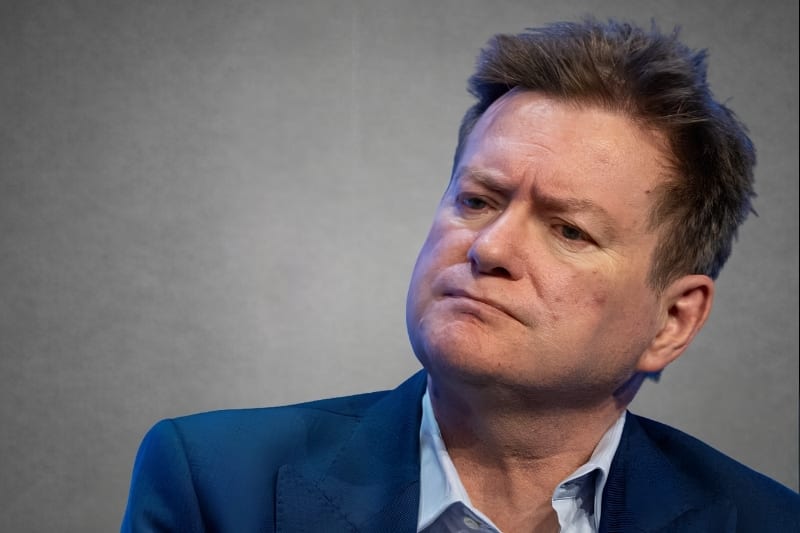
Co-Founder, Chairman & CIO at Marshall Wace
In this interview, Marshall Wace co-founder and chairman Sir Paul Marshall discusses running a ninety billion USD alternative asset management firm. Marshall explains the synergy…
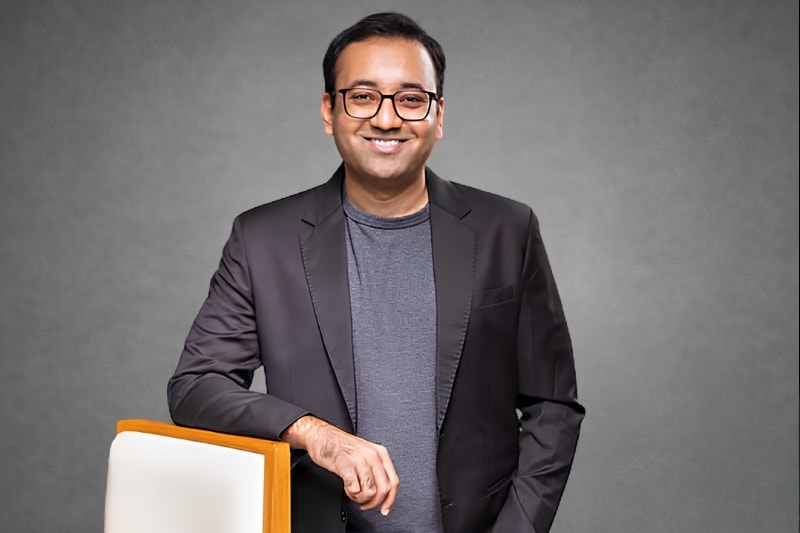
Co-Founder & CEO at Ather Energy
In this interview, Ather Energy co-founder and CEO Tarun Mehta discusses the evolution of India's electric two-wheeler market and the unveiling of the EL platform…