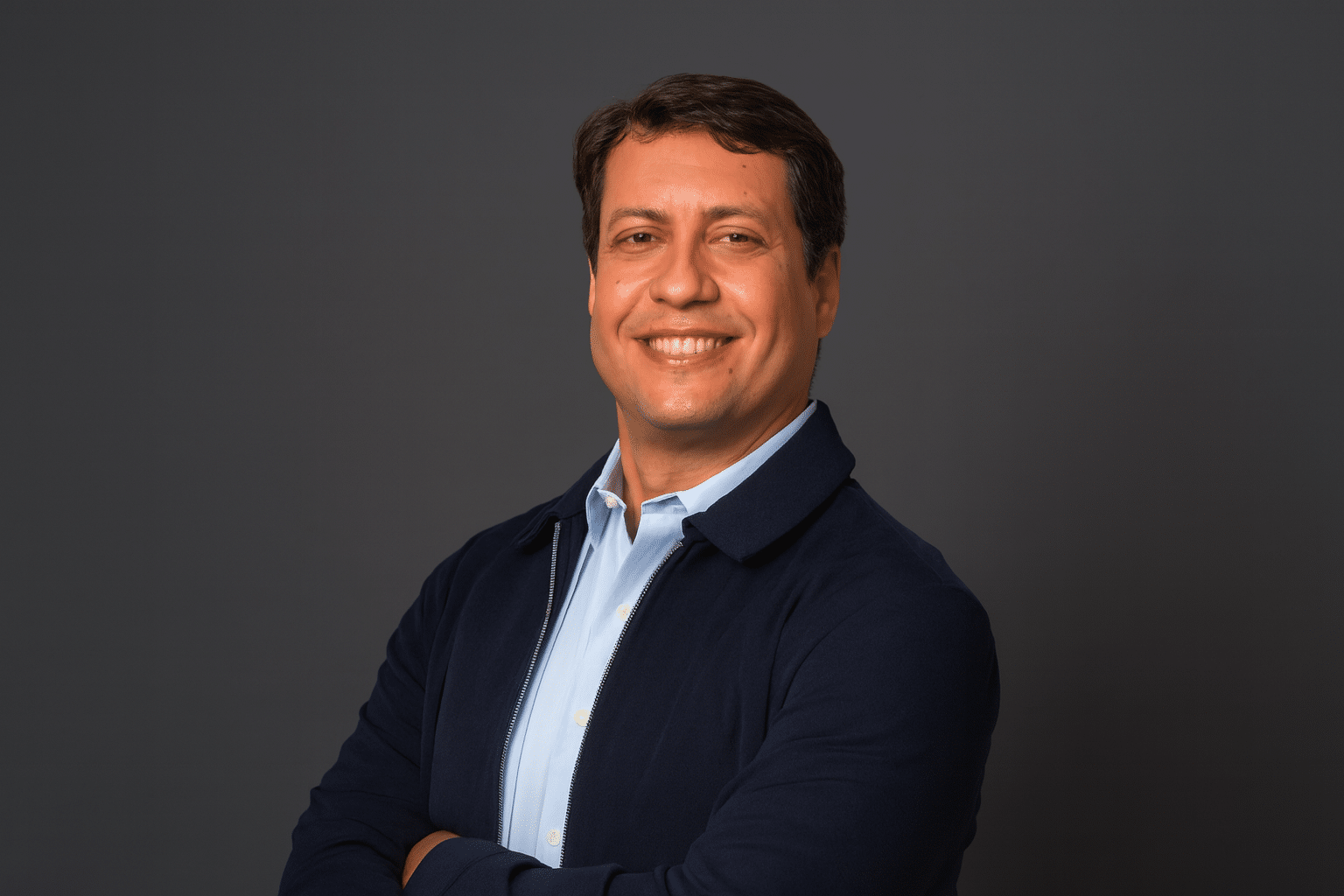
In this interview, Fabricio Bloisi discusses his vision for building globally competitive technology companies across Europe, India, and Latin America. He explains how artificial intelligence is accelerating innovation, improving execution, and enabling teams to serve customers more effectively at scale. Bloisi also shares leadership lessons on grit, continuous learning, and confronting difficult realities while maintaining the ambition required to create transformative businesses and long-term value.
Fabricio Bloisi is the CEO of Prosus and Naspers, two of the world's largest consumer internet and technology investment groups. An entrepreneur and operator with a founder mindset, he is focused on building and scaling leading digital businesses across high-growth markets, including Europe, India, and Latin America. Under his leadership, the organizations are investing heavily in artificial intelligence, operational excellence, and the next generation of global technology champions.
December 16, 2025
This is interview 1 of 2 with Fabricio Bloisi.
Fabricio Bloisi has been featured on CEO Insider 2 times. Explore the full collection.
China was a small internet market twenty years ago and became something amazing. I believe there will be other China stories. India has a massive opportunity, Europe has an amazing opportunity, and Latin America too. They do not have global tech champions yet, but they will, and we want to build them.
AI has a similar impact everywhere. In the US you may have more tech talent, but talent is very expensive. In other markets, talent can be constrained. The biggest impact is moving faster: iterate faster, test things faster, and build things that did not exist one year ago. That speed changes competition.
We already have companies with hundreds of models doing personalization, fraud, marketing, and support. Now we put a trillion tokens from trillions of transactions into one model. It does what we did before, but better. It also sees connections we could not see, like cross selling across food, travel, events, and hotels.
Young people are more open to working in a new way. New developers already use AI tools naturally, and even my daughter uses AI for research and search. We will reduce the cost of service and improve health and education, but workers must be able to use these tools. I am optimistic about that shift.
We sold some Tencent over the years and did a large buyback. But our challenge is still to build the next Tencent, by creating big companies in Europe and Latin America and India. We invest through acquiring companies, but also through innovating a lot. We want to operate leaders, not just allocate a portfolio.
Some people think AI is hype, but I think we are underhyping it. The impact on how we live will be huge. It cannot be concentrated only in California or in Beijing. There will be hundred billion dollar or trillion dollar companies in India, Europe, and Latin America, and we want to help build them.
Crypto is not one of our biggest focuses, but I believe very much in stablecoins and distributed infrastructure. We have many transactions across many countries where not every currency is stable. People may want to hold value in a stable way. Stablecoins can connect distributed systems with a more stable financial backend.
In my early 20s, we tried to sell a global service to a large telecom player. We ran out of cash because the process took one year instead of six months. The product was there, but timing killed us. It taught me to think big for five or ten years, but still deliver this month, get cash, and deliver results.
We start with thinking very big and putting people first, people who want impact and will work very hard. Then we face brutal facts: what we are not delivering and where we are not good enough. We put it on paper week by week and day by day, check progress daily, and fix problems fast. We do not wait six months.

Use this interview in your research, article, or academic work

Co-Founder at Y Combinator
In this interview, Y Combinator co-founder Paul Graham reflects on twenty-one years of startup acceleration and forty-seven YC batches. Graham explores the nature of founder…

Founder & CEO at Food for Education
In this interview, Food for Education founder and CEO Wawira Njiru reflects on her foundational upbringing, family values, and the journey of building Africa's largest…

President & CEO at Sasol
In this interview, Sasol president and CEO Simon Baloyi discusses the operational turnaround of the global integrated chemicals and energy company. Baloyi details cross-functional collaboration…

Founder & CEO at Liquid
In this interview, Liquid founder and CEO Franklin Wang discusses the integration of conversational AI with cryptocurrency perpetual futures trading. Wang details how the Co-Invest…
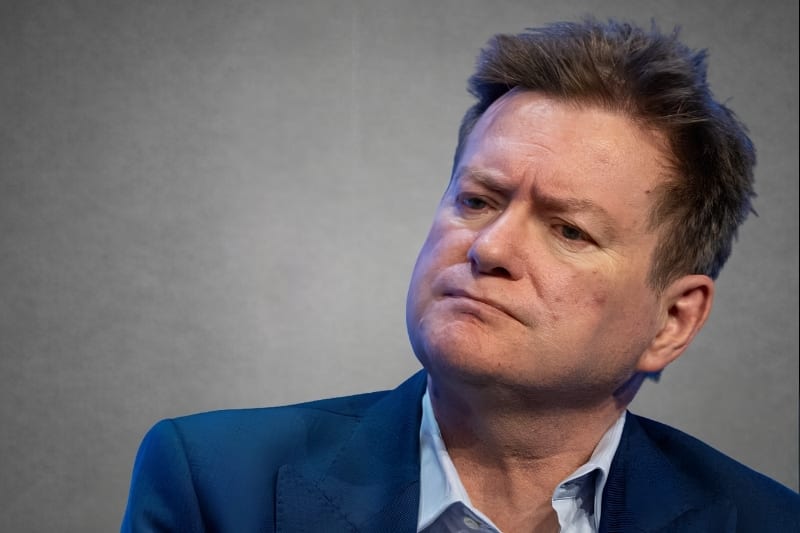
Co-Founder, Chairman & CIO at Marshall Wace
In this interview, Marshall Wace co-founder and chairman Sir Paul Marshall discusses running a ninety billion USD alternative asset management firm. Marshall explains the synergy…
Co-Founder & CEO at Ather Energy
In this interview, Ather Energy co-founder and CEO Tarun Mehta discusses the evolution of India's electric two-wheeler market and the unveiling of the EL platform…