CEO Insider logoCEOInsider
InterviewsAnswers
Get FeaturedContact
CEO Insider logoCEOInsider

Exclusive interviews with founders and CEOs sharing insights for business growth.

Join 10,000+ subscribers for weekly insights

Quick Links

  • All Interviews
  • All Answers
  • Favorites
  • Get Featured
  • Contact

Industries

  • SaaS
  • E-commerce
  • FinTech
  • Health Tech
  • All Industries

Revenue

  • Under $10K
  • $10K-$50K
  • $100K-$500K
  • $1M+
  • All Revenue

Business

  • B2B
  • B2C
  • Subscription
  • Marketplace
  • All Business Models

Team Size

  • Solo Founder
  • 1-5 Employees
  • 6-20 Employees
  • 50+ Employees
  • All Team Sizes

© 2026 CEO Insider. All rights reserved.

TermsPrivacySitemap
Back to all interviews
Tan Su Shan, Group CEO & Director at DBS Group
4.8/5 Rating
Banking, AI, Finance
$1M+/mo

Tan Su ShanGroup CEO & Director

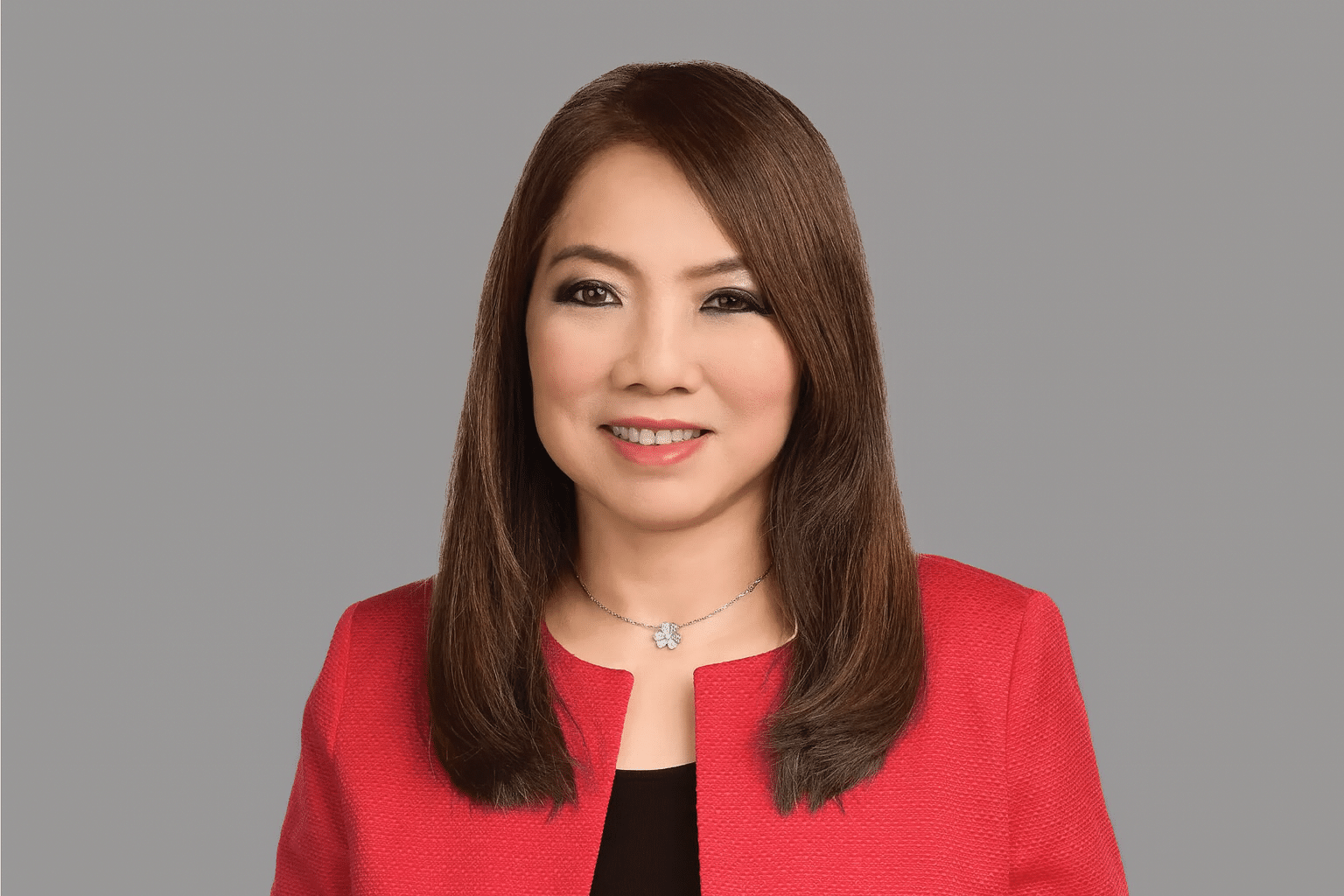
In this interview, Tan Su Shan discusses leading DBS through a rapidly changing financial landscape by balancing innovation, resilience, and customer trust. She shares insights on diversification across markets, the adoption of AI in banking, and the emerging opportunities in digital assets and tokenization. The conversation highlights risk management, workforce transformation, technology-driven growth, and how banks can remain dependable, human-centered institutions while embracing the next generation of financial innovation.

Tan Su Shan

Tan Su Shan

Group CEO & Director

DBS Group

DBS Group

dbs.comLinkedIn

Founder Stats

  • Banking, AI, Finance
  • Started 2015 or
  • $1M+/mo
  • 50+ team
  • Singapore

About Tan Su Shan

Tan Su Shan is the CEO of DBS Bank, one of Asia’s leading financial institutions. With extensive experience across wealth management, consumer banking, and institutional banking, she now leads DBS through a period of technological and economic transformation. Under her leadership, the bank is expanding its capabilities in AI, digital assets, and cross-border banking while maintaining a strong focus on customer trust, operational resilience, and long-term sustainable growth.

Interview

November 26, 2025

1. You described your first days as CEO as a “baptism of fire”. What did you learn from taking over in such a turbulent time?2. You often talk about diversification. How has that mindset changed how businesses operate?3. How do you see new trade corridors developing, especially outside the US?4. What is your view on intra Asia trade and its ability to offset a US slowdown?5. China has been going through property and growth challenges. Where do you see real opportunity there?6. How is DBS positioning itself onshore in China for the future?7. You mentioned a digital economy group at DBS. What is different about how you bank high growth tech companies?8. You invested in Shenzhen Rural Commercial Bank. What makes that partnership valuable?9. You said DBS has built a “digital moat” and a “data moat”. What does that mean in practice?10. How is AI changing your organisation and your people’s jobs?11. Are you worried that AI will cause big job losses in banking?12. You said “hire for attitude, not for knowledge”. Why is that so important now?13. How do you personally stay current with young customers and new trends?14. How much time do you spend actually learning about AI and new tech yourself?15. You were an early mover in digital assets and tokenization. Why did you step into that space as a bank?16. You recently launched tokenized products with asset managers. What is the philosophy behind that?17. You clearly care about financial literacy and democratizing wealth. What is your vision there?
Q

You described your first days as CEO as a “baptism of fire”. What did you learn from taking over in such a turbulent time?

Question 1 of 17
Tan Su Shan

COVID was a dry run. It taught us to stress test unknown unknowns and avoid single points of failure. Diversify energy, taxes, supply and demand chains, vendors, clients, currencies. When markets froze on April 2, we just hit that diversification button harder.

0
Q

You often talk about diversification. How has that mindset changed how businesses operate?

Question 2 of 17
Tan Su Shan

Shocks moved diversification from nice-to-have to must-have. Clients now talk China plus N, not plus one, diversifying demand, supply, and funding. No country, currency, or technology is permanently safe; anything can be weaponized. You have to stay agile and act with imperfect information.

0
Q

How do you see new trade corridors developing, especially outside the US?

Question 3 of 17
Tan Su Shan

Trade outside the U.S. is already about 89 percent. We see more flows between Asia and the GCC, intra-Asia, Asia to the EU and UK, Eastern and Western Europe, Taiwan to India, China to the GCC. New corridors and relationships are forming at a scale we have not seen before.

0
Q

What is your view on intra Asia trade and its ability to offset a US slowdown?

Question 4 of 17
Tan Su Shan

Intra-Asia trade looks promising: Singapore–Malaysia, China–Malaysia, China–Vietnam, Japan and Korea into Southeast Asia, lots of north–south flows. I am hopeful India and the rest of Asia will grow too. It will not replace a U.S. slowdown overnight, but regional links can balance shocks.

0
Q

China has been going through property and growth challenges. Where do you see real opportunity there?

Question 5 of 17
Tan Su Shan

Property is uneven: tier one cities like Shanghai show pockets of recovery; many smaller cities still struggle. Opportunity is in tech deep tech, AI, biotech, small language models, humanoid robots, low-flying drones areas the government supports. Consumer confidence is soft, but new economy sectors are dynamic.

0
Q

How is DBS positioning itself onshore in China for the future?

Question 6 of 17
Tan Su Shan

We follow China's stated science and tech priorities and focus on those deep tech sectors. Onshore wealth management is a big opportunity because rates are low and money is leaving property. We opened a wealth centre in Shanghai and may add more, while backing new economy companies and helping them expand globally.

0
Q

You mentioned a digital economy group at DBS. What is different about how you bank high growth tech companies?

Question 7 of 17
Tan Su Shan

Traditional banking lenses often avoid high-growth tech. We built a digital economy group to think differently: raise money, structure capital stacks, bring in VCs, do convertibles, support A/B/C rounds toward IPO. We also set up a growth debt fund with partners to bank them in a tailored way.

0
Q

You invested in Shenzhen Rural Commercial Bank. What makes that partnership valuable?

Question 8 of 17
Tan Su Shan

It is complementary. They are onshore; we are more offshore. We do not bank their clients and they do not bank ours. They help us with local SMEs we may not understand; we help their larger clients go global. With limited property exposure and conservative posture, it is a clean, steady bank, and we help build their onshore wealth platform.

0
Q

You said DBS has built a “digital moat” and a “data moat”. What does that mean in practice?

Question 9 of 17
Tan Su Shan

Digital moat means modernising the tech stack and escaping monoliths we are in the last 10%. Data moat means putting legacy data into a governed lake with metadata so we can build models. Since 2016 we have focused on end-to-end data governance: how data is born, secured, used, and purged.

0
Q

How is AI changing your organisation and your people’s jobs?

Question 10 of 17
Tan Su Shan

We moved from classic to generative and agentic AI. It changes everything: AI can read 'one eye, ten thousand lines.' Process and analytics tasks shift to machines, so some jobs change. Our data scientists now focus more on customer interaction and ideation, designing use cases and testing with the models.

0
Q

Are you worried that AI will cause big job losses in banking?

Question 11 of 17
Tan Su Shan

Every big tech shift brings a bubble, fear of job losses, then correction. Roles will change, especially entry-level white collar; you may not need 100 analysts. Governments and business must work together. During COVID we still hired graduates with support so they gained experience even if they later joined competitors.

0
Q

You said “hire for attitude, not for knowledge”. Why is that so important now?

Question 12 of 17
Tan Su Shan

Knowledge is abundant you can search, ask AI, learn online. Attitude is rare. We need curious people willing to change roles and try new things. If you do not make it safe to move, reskill, and experiment, the organisation gets stuck while technology and markets move ahead.

0
Q

How do you personally stay current with young customers and new trends?

Question 13 of 17
Tan Su Shan

I use reverse mentors younger colleagues who tell me when I am behind. Watching teenagers shows the future. After seeing games in Korea, we partnered with Garena in Taiwan, offering card rewards redeemable for in-game weapons and gained tens of thousands of users on day one. I learn by observing and asking.

0
Q

How much time do you spend actually learning about AI and new tech yourself?

Question 14 of 17
Tan Su Shan

I learn by doing and by talking to people deep in the work. I do not code models, but I sit with teams, ask questions, and see real use cases. I also listen to young talent about social, gaming, and AI tools. Curiosity is mandatory to lead a bank in this environment.

0
Q

You were an early mover in digital assets and tokenization. Why did you step into that space as a bank?

Question 15 of 17
Tan Su Shan

As a trusted intermediary we hold deposits, lend, and help clients invest. When assets move on-chain, we still need to play that role. People forget keys and get scammed. We built strong custody cold, hot, air-gapped and then a digital exchange so clients could on- and off-ramp and transact safely.

0
Q

You recently launched tokenized products with asset managers. What is the philosophy behind that?

Question 16 of 17
Tan Su Shan

If clients hold cash on-chain, they deserve yield; it should not all go to stablecoin issuers. We tokenized funds with partners and listed them on our exchange so clients can stay in the digital asset ecosystem while earning regulated yield.

0
Q

You clearly care about financial literacy and democratizing wealth. What is your vision there?

Question 17 of 17
Tan Su Shan

Wealth management should not be only for private banking. Whatever we build for the top, we try to bring to the mass market digitally: simple portfolios by risk level and regular 'save, invest, repeat' plans. We also do community education so people understand credit, CPF, and investing and avoid getting hurt.
0

Table Of Questions

1You described your first days as CEO as a “baptism of fire”. What did you learn from taking over in such a turbulent time?
2You often talk about diversification. How has that mindset changed how businesses operate?
3How do you see new trade corridors developing, especially outside the US?
4What is your view on intra Asia trade and its ability to offset a US slowdown?
5China has been going through property and growth challenges. Where do you see real opportunity there?
6How is DBS positioning itself onshore in China for the future?
7You mentioned a digital economy group at DBS. What is different about how you bank high growth tech companies?
8You invested in Shenzhen Rural Commercial Bank. What makes that partnership valuable?
9You said DBS has built a “digital moat” and a “data moat”. What does that mean in practice?
10How is AI changing your organisation and your people’s jobs?
11Are you worried that AI will cause big job losses in banking?
12You said “hire for attitude, not for knowledge”. Why is that so important now?
13How do you personally stay current with young customers and new trends?
14How much time do you spend actually learning about AI and new tech yourself?
15You were an early mover in digital assets and tokenization. Why did you step into that space as a bank?
16You recently launched tokenized products with asset managers. What is the philosophy behind that?
17You clearly care about financial literacy and democratizing wealth. What is your vision there?

Video Interviews with Tan Su Shan

LIVE: Tan Su Shan: DBS CEO Reveals AI Strategy and Future Growth Vision | Reuters NEXT | AI1Z

LIVE: Tan Su Shan: DBS CEO Reveals AI Strategy and Future Growth Vision | Reuters NEXT | AI1Z

LIVE: Tan Su Shan: DBS CEO Reveals AI Strategy and Future Growth Vision | Reuters NEXT | AI1Z

Tan Su Shan - CEO of DBS | Podcast | In Good Company | Norges Bank Investment Management

Tan Su Shan - CEO of DBS | Podcast | In Good Company | Norges Bank Investment Management

#TrustYourSpark: DBS' Tan Su Shan on taking one step back to take two steps forward

#TrustYourSpark: DBS' Tan Su Shan on taking one step back to take two steps forward

Cite This Interview

Use this interview in your research, article, or academic work

Related Interviews

Paul Graham, Co-Founder at Y Combinator
Finance

Paul Graham

Co-Founder at Y Combinator

Not Publicly Disclosed
100+

In this interview, Y Combinator co-founder Paul Graham reflects on twenty-one years of startup acceleration and forty-seven YC batches. Graham explores the nature of founder…

Read Interview
Wawira Njiru, Founder & CEO at Food for Education
Edu

Wawira Njiru

Founder & CEO at Food for Education

Not Publicly Disclosed
6000+

In this interview, Food for Education founder and CEO Wawira Njiru reflects on her foundational upbringing, family values, and the journey of building Africa's largest…

Read Interview
Simon Baloyi, President & CEO at Sasol
Production

Simon Baloyi

President & CEO at Sasol

Approx. USD 1.2 Billion
28000

In this interview, Sasol president and CEO Simon Baloyi discusses the operational turnaround of the global integrated chemicals and energy company. Baloyi details cross-functional collaboration…

Read Interview
Franklin Wang, Founder & CEO at Liquid
Cryptocurrency

Franklin Wang

Founder & CEO at Liquid

Not Publicly Disclosed
6–20

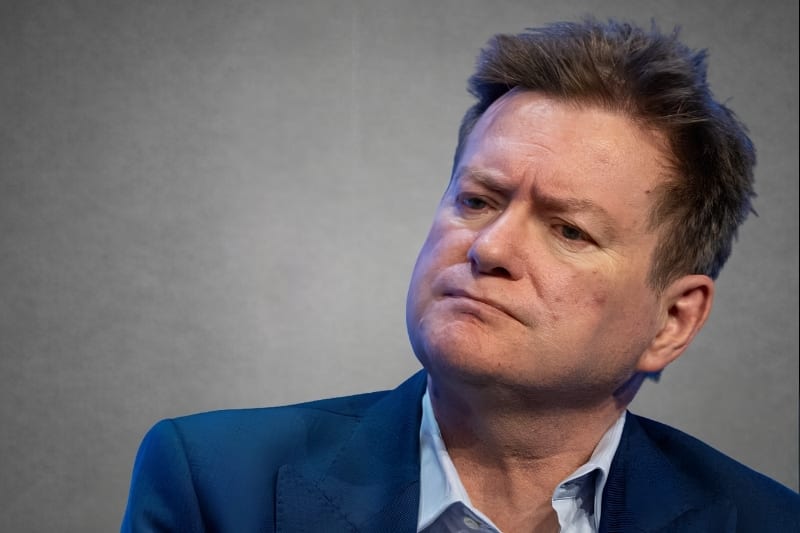
In this interview, Liquid founder and CEO Franklin Wang discusses the integration of conversational AI with cryptocurrency perpetual futures trading. Wang details how the Co-Invest…
Read Interview
Sir Paul Marshall, Co-Founder, Chairman & CIO at Marshall Wace
Finance

Sir Paul Marshall

Co-Founder, Chairman & CIO at Marshall Wace

Not Publicly Disclosed
750+

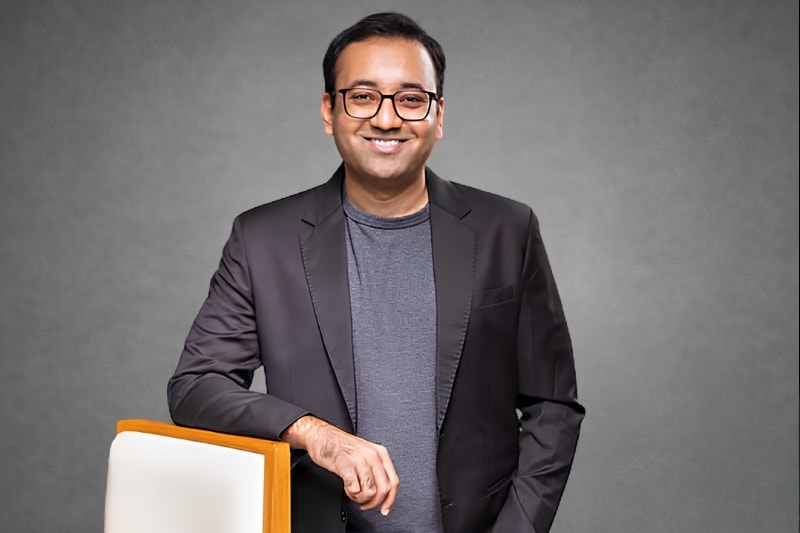
In this interview, Marshall Wace co-founder and chairman Sir Paul Marshall discusses running a ninety billion USD alternative asset management firm. Marshall explains the synergy…
Read Interview
Tarun Mehta, Co-Founder & CEO at Ather Energy
Production

Tarun Mehta

Co-Founder & CEO at Ather Energy

Approx. USD 22 Million
3500+

In this interview, Ather Energy co-founder and CEO Tarun Mehta discusses the evolution of India's electric two-wheeler market and the unveiling of the EL platform…

Read Interview