Paul GuyettManaging Director
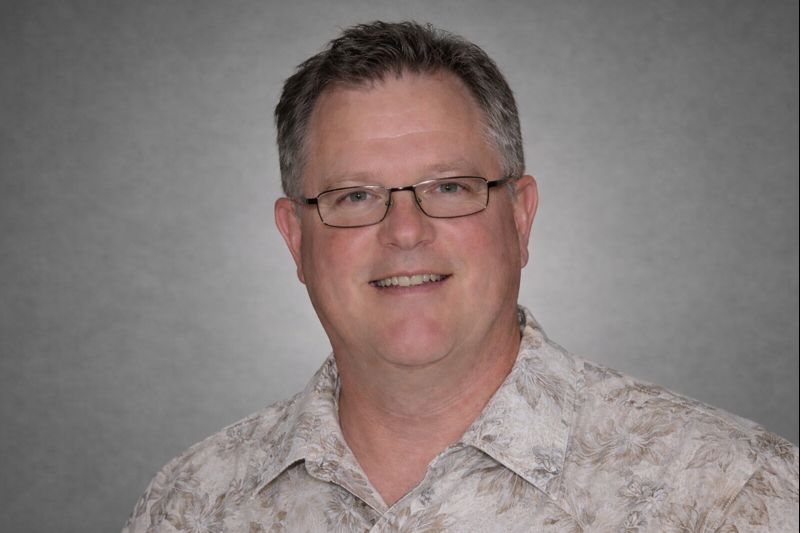
Paul Guyett leads Leffler Leather, a multi-generation business built on quality, knowledge, and adaptation. He focuses on craftsmanship, education, and long-term value across the leather industry.
Founder Stats
- Retail
- Started 1932
- $1M+/mo
- 50+ team
- Australia
About Paul Guyett
Paul Guyett is the Managing Director of Leffler Leather, a family-founded business established in 1932. In this interview, he shares insights on leadership, managing change, preserving craftsmanship, and building a sustainable business through quality, knowledge, and long-term thinking.
Interview
January 01, 2026
Can you tell us how the business started and what that means to you today?

The business began in 1932 when Henry Leffler sold leather from the boot of his car. That story still matters because it reminds us that growth comes from small beginnings. Even with thousands of products today, the original mindset of building carefully and honestly remains central to how we operate.
How has the business evolved over the years?

We started with leather for cobblers and slowly expanded into dyes, leather care, tools, and machinery. Over time, the business became more diverse. Evolution was necessary for survival. We learned that standing still is not an option if you want a long-term business.
What leadership lesson stands out from managing a long-established company?

Respecting the past while being open to change is critical. History gives you strength, but it should not hold you back. Leadership is about making decisions that protect the legacy while preparing the business for future challenges.
How did customers react when you moved locations?

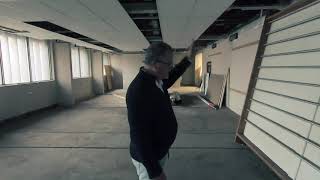
Many customers were nervous about losing the character of the old space. I personally welcomed people at the door to help ease that concern. Once they experienced the new layout and accessibility, they understood the benefits. Clear communication helped manage that transition.
Why was improving the showroom layout important?

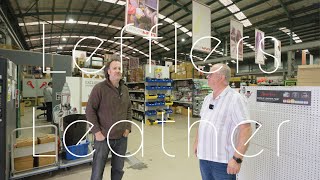
The old space had charm, but it was difficult to navigate. We wanted customers to find what they needed easily. A well-organized environment improves efficiency, reduces frustration, and supports growth for both staff and customers.
How important is industry knowledge to your business?

Knowledge is essential. Leather is complex, and understanding its variations takes years. Our team holds generations of experience, which allows us to advise customers properly. That knowledge builds trust and keeps people coming back.
Why did you decide to create your own brands?

Creating brands like Sneaker Doctor and Shoe Doctor gave us control over quality and direction. We saw a shift in consumer behavior and acted on it. Owning the brand allows us to innovate and respond quickly to market changes.
How do you approach quality versus cost decisions?

We prioritize quality because it protects our reputation. Cheaper options may offer short-term savings, but they often fail over time. Long-term relationships are built on reliable, consistent products.
What role does training play in your company?

Training helps preserve skills that are slowly disappearing. Leathercraft and shoemaking need knowledge passed down. Teaching people strengthens the industry and creates more informed customers who appreciate quality.
Why do you focus on educating customers?

Leather is natural and unpredictable. If customers understand that, they achieve better results. Education reduces mistakes and builds confidence. It’s not just about selling; it’s about helping people succeed.
What does the phrase "every hide has a story" mean to you?

Every hide reflects the life of the animal. Marks and variations are natural. Understanding this helps people work with leather realistically. It changes expectations and improves craftsmanship.
How does sustainability influence your decisions?

We look for ways to reduce waste, such as selling parts of hides that might otherwise be discarded. These small choices make leather more accessible while minimizing waste and respecting the material.
How do global changes affect the leather industry?

Changes in farming and economics affect hide quality. Animals are often processed younger, resulting in thinner leather. Understanding these shifts helps us manage supply and customer expectations.
How do you manage such a wide product range?

Managing diversity requires listening and adaptability. Different industries have different needs. Staying curious and responsive allows us to serve customers effectively without oversimplifying solutions.
Why are safety and standards so important?

Some leather is used in high-risk environments. Strength and compliance are critical. We take responsibility seriously because safety failures can have real consequences.
How do you decide when to adopt new technology?

We watch technology carefully but avoid rushing. Some tools become outdated quickly. Good management means knowing when to invest and when to wait.
What advice would you give to someone building a long-term business?

Focus on quality, knowledge, and people. Stay open to change but respect why the business exists. Long-term success comes from consistency, trust, and patience.
Table Of Questions
Video Interviews with Paul Guyett
Leffler Leather - An Interview with CEO Paul Guyett (Full Interview)
Related Interviews

Mark Shapiro
President and CEO at Toronto Blue Jays
How I'm building a sustainable winning culture in Major League Baseball through people-first leadership and data-driven decision making.

Harry Halpin
CEO and Co-founder at Nym Technologies
How I'm building privacy technology that protects users from surveillance while making it accessible to everyone, not just tech experts.

Morgan DeBaun
Founder at Blavity
How I built a digital media powerhouse focused on Black culture and created a platform that amplifies diverse voices.