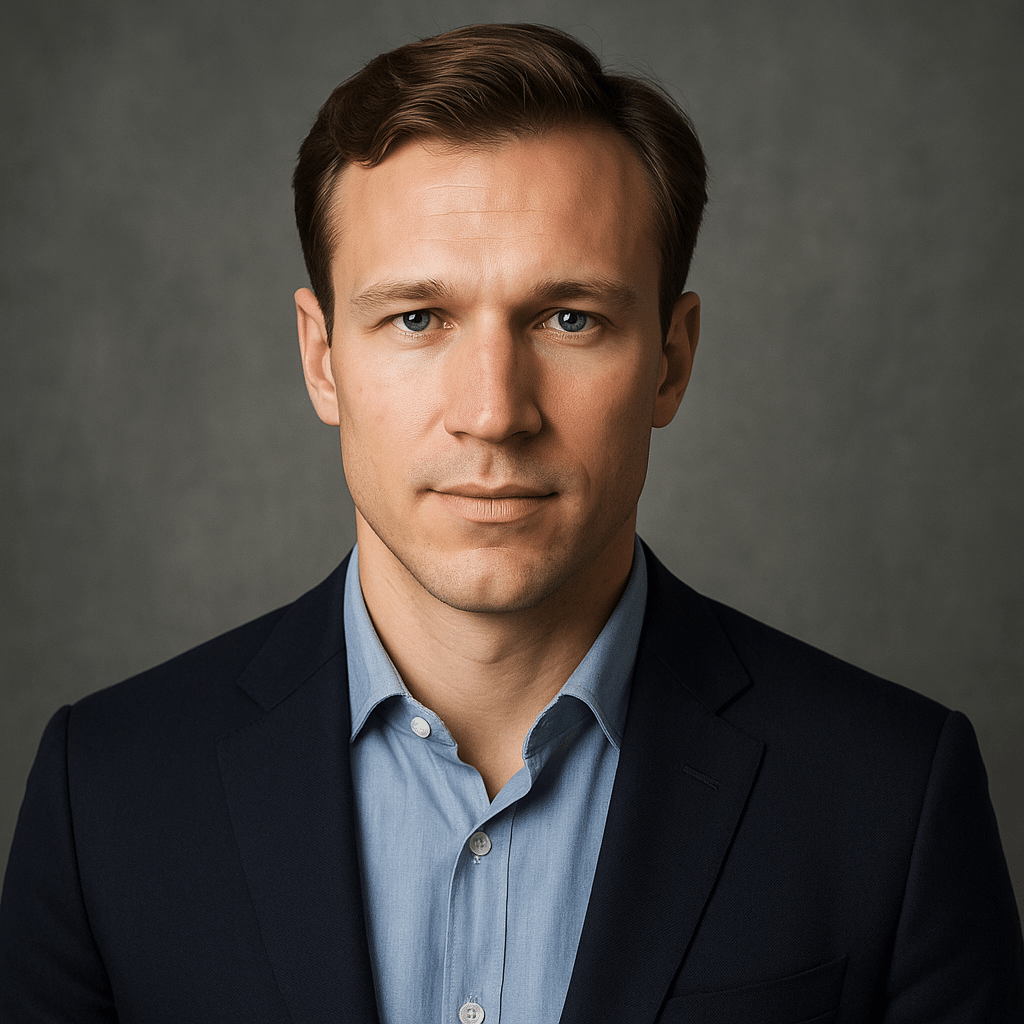
In this interview, the founder of a YouTube marketing agency shares how he built the business from scratch and grew it into a team of 15 through SEO and content marketing. He discusses client acquisition, scaling a service-based business, building systems, hiring the right people, and the strategies that helped generate consistent growth in a competitive digital landscape.
Founder & CEO
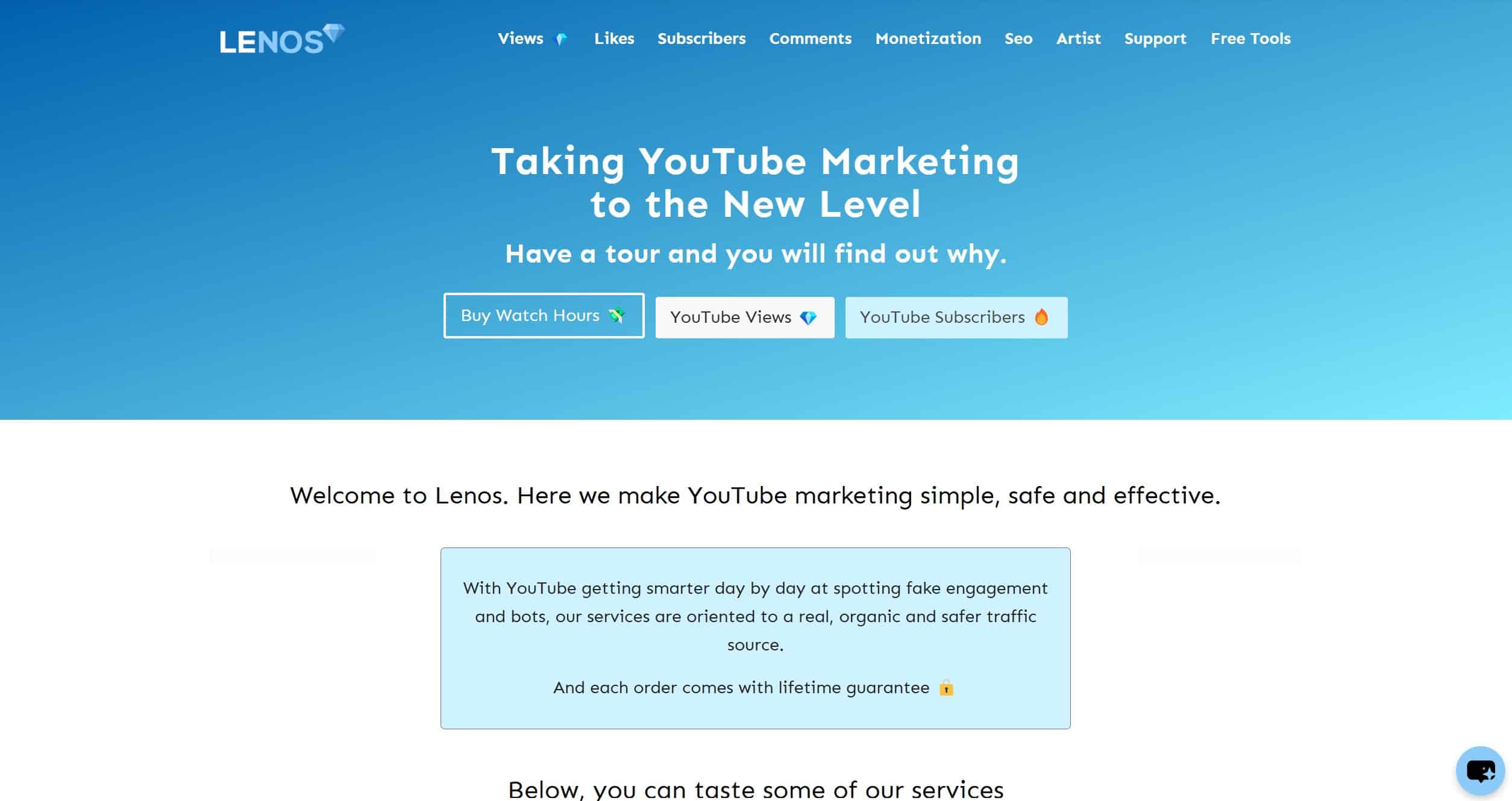
Luca Martini is the founder of LenosTube, a YouTube marketing agency that helps creators grow their channels through SEO and organic growth strategies. He began his YouTube journey in 2015 and turned his experience into a successful business after becoming frustrated with low-quality growth services in the market. Today, he leads a team of 15 specialists focused on helping creators build sustainable success on YouTube.
April 20, 2024
I got into YouTube back in 2015 and started earning from it early on. I even launched a few channels myself. Over time, though, YouTube growth got harder. That's when I started looking into growth services but most of them were disappointing. Either they used fake traffic or they clearly didn't understand how YouTube really works. That's what pushed me to create something better.
Eventually, managing everything especially customer support became too much. I realized I had to bring someone in or I'd burn out. It was tough at first because I was hesitant to trust others with access to tools and sensitive info. But hiring was one of the best decisions I made. Over time, I outsourced more and more, and it's what really allowed the business to scale.
We're a team of 15. Four developers, two content writers, two customer support reps, one SEO specialist, and the rest are flexible virtual assistants who jump into different tasks depending on what's needed. We also have a tier system where team members check each other's work. That's been crucial. Without proper monitoring, performance tends to drop.
For me, SEO is king. It brings in long-term results and also increases the value of your domain turning it into a real asset. That's huge if you ever want to sell the business or flip the site. I also use content marketing, like YouTube Shorts, and email campaigns. I used to rely on paid ads, but now I focus almost entirely on SEO.
Start with the basics: fast loading speeds, solid internal linking, no broken pages. Then come backlinks they're essential, especially in competitive niches. On-page SEO matters too. That means writing in-depth content with good keyword usage. Basically, every page should be built around a keyword you actually want to rank for.
Backlinks still carry the most weight especially in tough niches. After that, it's your on-page content: proper keyword density, internal linking, and anchor text strategy. Site speed and health matter a lot too. Even if you've nailed the content and backlinks, a slow site won't rank. And to be honest, there's also some randomness to it sometimes you just hope the next Google update works in your favor.
Quitting too early. YouTube takes time even if you're making great content. MrBeast uploaded over 300 videos before he hit 1,000 subs. That was back when things were less competitive! If you're not ready to upload 200 videos before seeing major results, YouTube might not be your game. It rewards consistency and patience.
First, I'd research the right niche. Then, I'd focus on making high-retention videos ones that hook viewers fast and keep the pacing tight. I'd also promote those videos off-platform, like sharing them on social media. I might even run some YouTube ads not for ROI, but to gain early exposure and credibility. You need that first boost to start rolling.
Short-form and long-form are two different beasts. The audience you gain from Shorts won't always care about your long-form content. So it's not a must-have, but it's a good bonus. Shorts can bring in subscribers fast and create momentum. But if you're focused on long form, those subscribers might not stick around. So it depends do you want quick reach, or deeper engagement with fewer people? Ideally, you balance both, but know what you're aiming for.
Use this interview in your research, article, or academic work

Co-Founder at Y Combinator
In this interview, Y Combinator co-founder Paul Graham reflects on twenty-one years of startup acceleration and forty-seven YC batches. Graham explores the nature of founder…

Founder & CEO at Food for Education
In this interview, Food for Education founder and CEO Wawira Njiru reflects on her foundational upbringing, family values, and the journey of building Africa's largest…

President & CEO at Sasol
In this interview, Sasol president and CEO Simon Baloyi discusses the operational turnaround of the global integrated chemicals and energy company. Baloyi details cross-functional collaboration…

Founder & CEO at Liquid
In this interview, Liquid founder and CEO Franklin Wang discusses the integration of conversational AI with cryptocurrency perpetual futures trading. Wang details how the Co-Invest…
Co-Founder, Chairman & CIO at Marshall Wace
In this interview, Marshall Wace co-founder and chairman Sir Paul Marshall discusses running a ninety billion USD alternative asset management firm. Marshall explains the synergy…
Co-Founder & CEO at Ather Energy
In this interview, Ather Energy co-founder and CEO Tarun Mehta discusses the evolution of India's electric two-wheeler market and the unveiling of the EL platform…