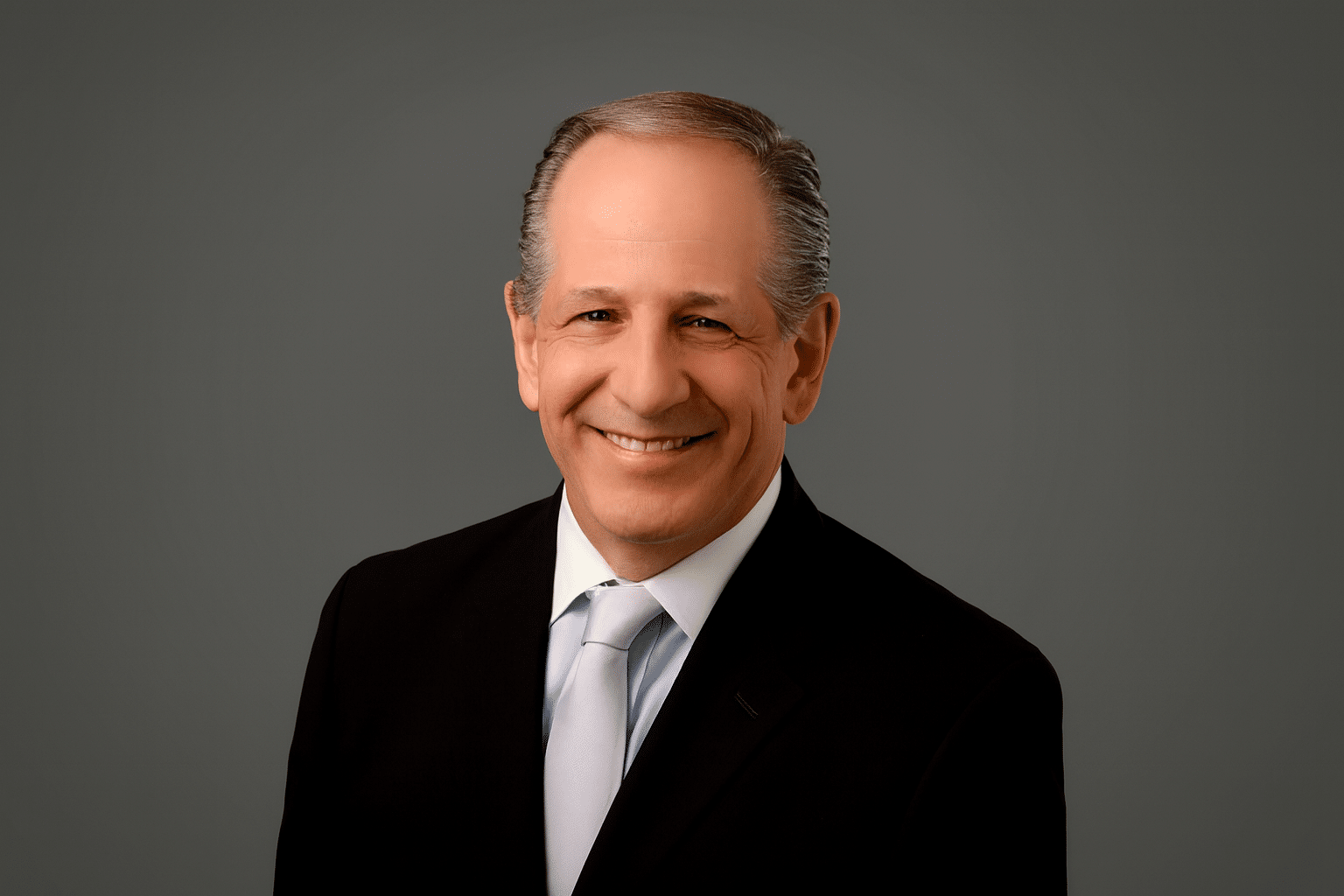
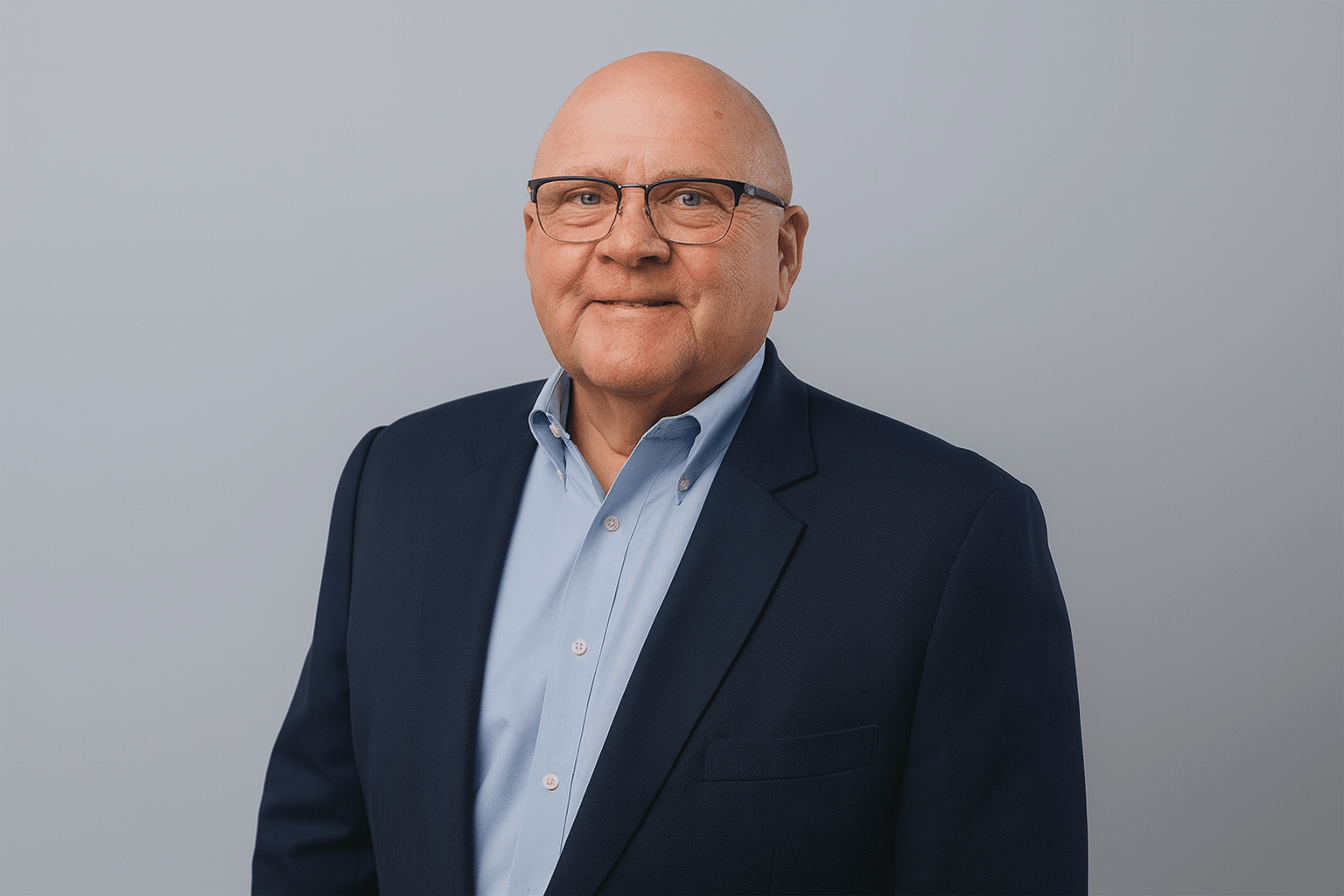
In this interview, Greg Marcus discusses leading The Marcus Corporation through industry disruption, changing consumer behavior, and generational transition. He shares insights on preserving a long-term family business, investing in customer experience, and maintaining financial discipline through uncertain times. The conversation highlights leadership, community engagement, real estate ownership, innovation in entertainment and hospitality, and how enduring values can help traditional businesses remain relevant in a rapidly evolving world.
President & CEO, The Marcus Corporation

Greg Marcus is the President and CEO of The Marcus Corporation, a family-founded business operating movie theaters and hotels across the United States. As a third-generation leader, he has guided the company through major industry shifts by modernizing the theater experience, investing in hospitality assets, and maintaining a strong balance sheet. Marcus is known for combining long-term stewardship with innovation, emphasizing customer experience, community connections, and the enduring value of shared entertainment experiences.
December 3, 2025
Ben’s commandments say your associates are your most important asset, so treat them that way. Own your own real estate. Keep your balance sheet strong. Those ideas sound simple, but they shaped every big decision. During the pandemic especially, that conservative, long-term mindset is a big reason we are still here.
If you have the capability, you have the responsibility. Giving back is the right thing to do, and it is also practical. Our hotels and theaters cannot move. If the community is weak, our business is weak. Helping the community keeps it strong for residents, workers, and the guests we hope to attract.
Law school and Hollywood showed me I could do other things, but they also made me ask where I really wanted to build my life. Working for a big producer on real films was exciting, yet I did not see myself staying there forever. That tension pushed me to choose intentionally and come back to the family business.
We simply need more movies. When we have a full slate, people show up for the big tentpoles and the medium and smaller films. The pandemic and studio balance sheet issues reduced output. As studios and streamers ramp up production again, a steady flow of films will make a huge difference for theaters.
We still depend on attendance, but now we think about getting a bigger share of the night out. Our restaurant experience helped us make simple things like burgers and pizza really good. We are not doing fancy steaks in the theaters, just great casual food. That turns a movie from just a show into a full evening.
We are leaning into alternative content. Concert films, comedy specials, big sports games, special events. Watching a Packer game on a giant screen is very different from the couch. The long-term goal is that people think of us as a place for big shared moments, not only for traditional movie releases.
It started as a United Way request. They asked if I would make the appeal myself. I realized most people had no idea who Marcus was. By welcoming guests on screen, I could put a face to the name and have some fun. Over time, it helped us feel like part of each community, not just a logo on a building.
A lease is basically debt. Our philosophy is to keep the balance sheet strong. Owning lets us control costs and move fast. When stadium seating, recliners, or full kitchens and bars made sense, we did not wait on landlords. We just invested and moved. That speed has helped us stay competitive for decades.
Theaters and hotels are both hospitality, but they respond to different forces. Theaters depend on movies and audience interest. Hotels depend more on the broader economy and travel. When one side is softer, the other might be stronger. That diversification lets us stay heavily invested and still spread risk across cycles.
Use this interview in your research, article, or academic work
Chairman Emeritus, Former CEO & Founder of The Learning Moment at WD-40 Company
In this interview, Garry Ridge discusses how he transformed WD-40 Company into a globally recognized brand by building a culture centered on servant leadership, trust,…

Co-Founder at Y Combinator
In this interview, Y Combinator co-founder Paul Graham reflects on twenty-one years of startup acceleration and forty-seven YC batches. Graham explores the nature of founder…

Founder & CEO at Food for Education
In this interview, Food for Education founder and CEO Wawira Njiru reflects on her foundational upbringing, family values, and the journey of building Africa's largest…

President & CEO at Sasol
In this interview, Sasol president and CEO Simon Baloyi discusses the operational turnaround of the global integrated chemicals and energy company. Baloyi details cross-functional collaboration…

Founder & CEO at Liquid
In this interview, Liquid founder and CEO Franklin Wang discusses the integration of conversational AI with cryptocurrency perpetual futures trading. Wang details how the Co-Invest…
Co-Founder, Chairman & CIO at Marshall Wace
In this interview, Marshall Wace co-founder and chairman Sir Paul Marshall discusses running a ninety billion USD alternative asset management firm. Marshall explains the synergy…