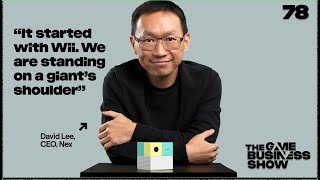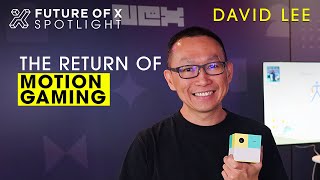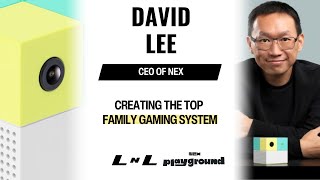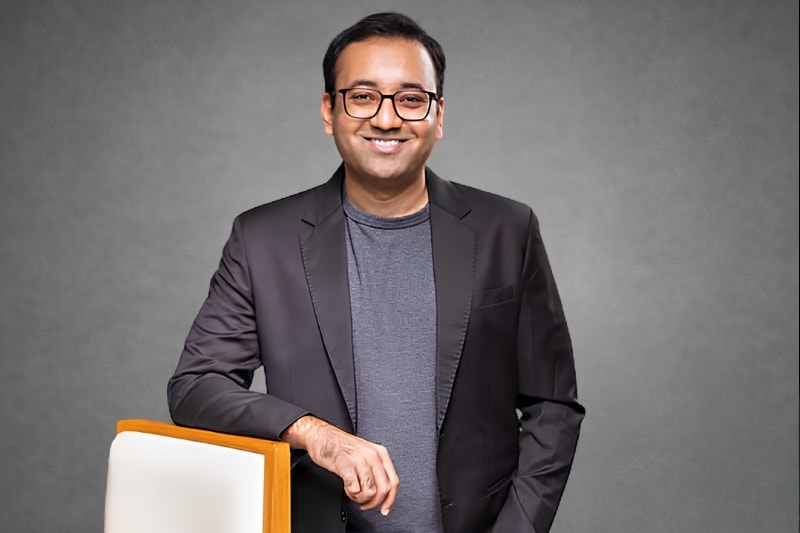
David LeeCo-founder & CEO, Nex
David Lee is the co-founder and CEO of Nex, the company behind Nex Playground, a camera-based family gaming system redefining living-room play through active games, subscriptions, and thoughtful hardware design.
Founder Stats
- Technology, AI, Sports, Entertainment
- Started 2017
- $1M+/mo
- 50+ team
- USA
About David Lee
David Lee is the co-founder and CEO of Nex, creator of Nex Playground, a family-focused gaming platform built around movement, camera-based play, and subscriptions. In this interview, he shares lessons from Apple, building sustainable hardware, leading through uncertainty, and creating meaningful products for families.
Interview
December 26, 2025
Can you tell us about your background and how your journey began?

I started my first startup before leaving college in Hong Kong, and it was later acquired by Apple. I spent eight years at Apple working on web apps like Pages, Numbers, and Keynote. That experience shaped how I think about product quality, collaboration, and long-term thinking.
What made you leave Apple and start Nex?

After eight years at Apple, I wanted to build something very different. I love basketball and staying active, and I believed technology could help people train and play in new ways. That curiosity and passion pushed me to take the risk and start Nex in 2017.
How did Nex evolve from a basketball app into a gaming hardware company?

We started with a basketball training app using a phone camera. Over time, we realized our computer vision technology could do much more. Data showed that playing on TV had much higher engagement, which slowly pulled us from mobile apps into the living room.
What role did the pandemic play in shaping your product direction?

During the pandemic, people were stuck at home and wanted to stay active. Our interactive training games went viral. Families started playing together indoors, which showed us that shared, physical experiences at home were deeply valuable.
Why did you decide to build your own hardware instead of relying on partners?

We partnered with Sky in the UK and learned a lot building games for TV. But we couldn’t find another partner like them. Building our own hardware allowed us to fully control the experience and design something that runs our games perfectly.
How did retailers react to Nex Playground?

We first sold 5,000 units directly and focused on customer happiness. When retailers tested the product with their own families, they understood it immediately. That belief helped us get into major stores much faster than expected.
How did you scale from 5,000 units to over 600,000 units sold?

We focused on product quality, word of mouth, and strong retail demos. Each year demand exceeded expectations. Growth came from staying focused on families and delivering a great experience, not from aggressive marketing.
How do you keep the device affordable despite hardware costs?

We made clear trade-offs. We don’t compete on high-end graphics and removed expensive controllers. Using the camera for interaction lowers cost while still delivering immersive games. Those choices help keep the product accessible for families.
Is Nex Playground hardware profitable on its own?

Our focus is sustainability. Hardware and subscriptions work together. We price fairly and rely on subscriptions to continuously improve games and software. That balance lets us build a business that can serve customers long-term.
Why did you choose a subscription model?

Our customers are families with young kids. They prefer not being asked to buy something constantly. Subscriptions give them peace of mind and give us creative freedom to focus on making great games instead of monetization tactics.
How has the subscription model changed your team’s mindset?

It removed constant monetization pressure. On mobile, we spent too much time thinking about how to charge users. Now we spend that energy building better games, experimenting, and delighting families.
How important are licensed brands like Bluey and Sesame Street?

Licensed brands build trust and recognition quickly. Bluey is consistently one of our most played games. At the same time, our original games are also very popular. We treat every partner IP with care and respect.
Do you work with external game studios?

Yes. We have internal studios and also work with second-party studios. About half of our games are built externally. However, we stay very curated because safety, quality, and family alignment are critical for us.
Are you planning to open the platform to all developers?

Not right now. We want to protect the experience and our customers. We don’t want to turn the platform into a monetization engine. Trust and safety matter more than rapid expansion.
What lessons did you take from the Nintendo Wii era?

The Wii showed how powerful it is to expand the gaming audience. But it also showed that selling hardware alone is not sustainable. Continuous value and engagement are essential, which is why our subscription model matters.
How do you define success as a founder?

Success means building something meaningful and sustainable. It’s about serving customers well, taking care of the team, and improving the product every day. Growth should come as a result of doing those things right.
What is your long-term vision for Nex Playground?

We want Nex Playground to earn a place in every living room. That means creating something valuable enough to sit at the center of family life. If families welcome us into their homes, we know we are doing the right thing.
Table Of Questions
Video Interviews with David Lee
Interview with Nex CEO David Lee: “We want a Nex Playground in every living room”
Related Interviews

Mark Shapiro
President and CEO at Toronto Blue Jays
How I'm building a sustainable winning culture in Major League Baseball through people-first leadership and data-driven decision making.

Harry Halpin
CEO and Co-founder at Nym Technologies
How I'm building privacy technology that protects users from surveillance while making it accessible to everyone, not just tech experts.

Morgan DeBaun
Founder at Blavity
How I built a digital media powerhouse focused on Black culture and created a platform that amplifies diverse voices.