CEO Insider logoCEOInsider
InterviewsAnswers
Get FeaturedContact
CEO Insider logoCEOInsider

Exclusive interviews with founders and CEOs sharing insights for business growth.

Join 10,000+ subscribers for weekly insights

Quick Links

  • All Interviews
  • All Answers
  • Favorites
  • Get Featured
  • Contact

Industries

  • SaaS
  • E-commerce
  • FinTech
  • Health Tech
  • All Industries

Revenue

  • Under $10K
  • $10K-$50K
  • $100K-$500K
  • $1M+
  • All Revenue

Business

  • B2B
  • B2C
  • Subscription
  • Marketplace
  • All Business Models

Team Size

  • Solo Founder
  • 1-5 Employees
  • 6-20 Employees
  • 50+ Employees
  • All Team Sizes

© 2026 CEO Insider. All rights reserved.

TermsPrivacySitemap
Back to all interviews
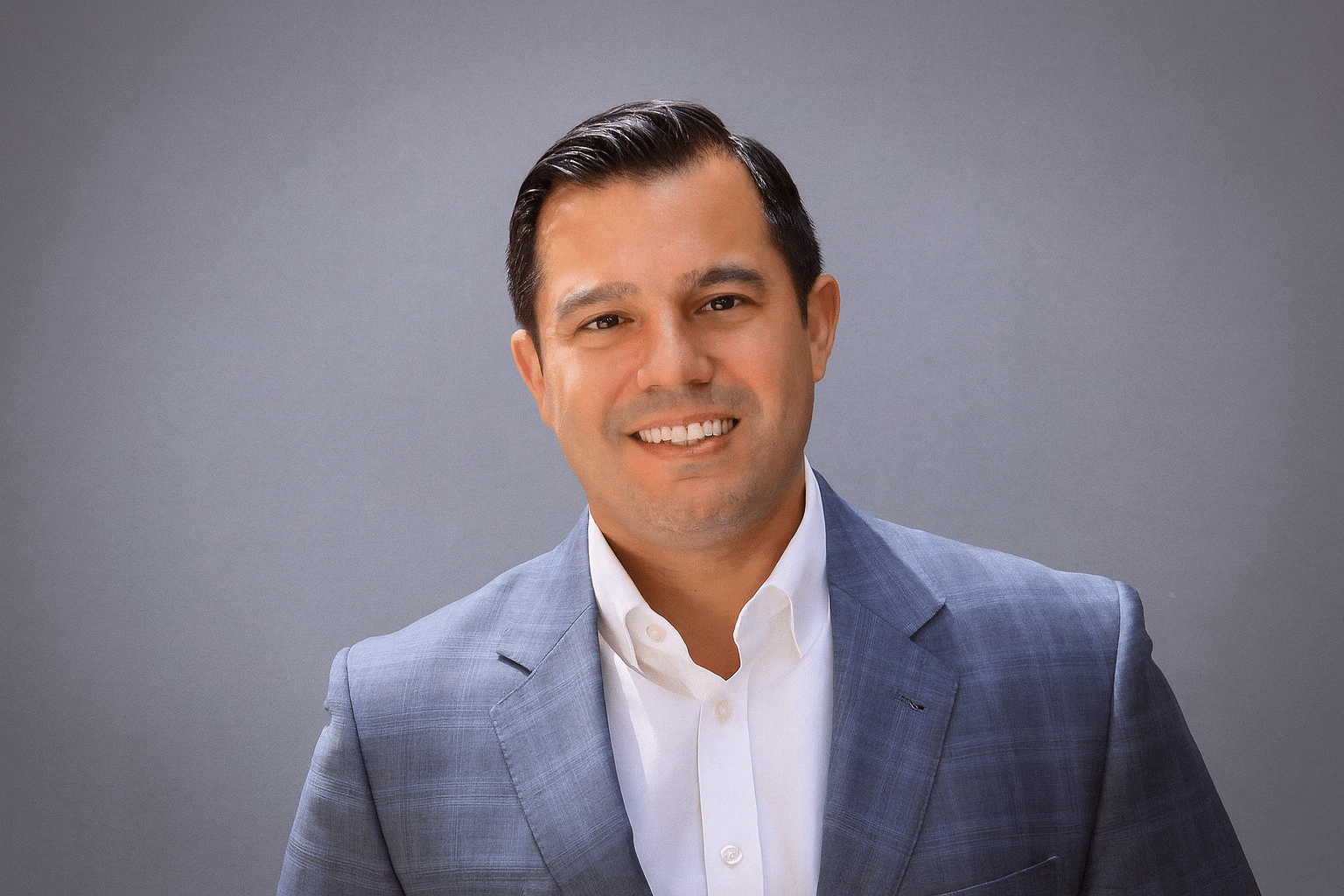
Anthony Denier, Group President & U.S. CEO at Webull Corporation
4.8/5 Rating
Finance, Technology
$1M+/mo

Anthony DenierGroup President & U.S. CEO

In this interview, Anthony Denier discusses leading Webull as a newly public company and building a global brokerage platform for sophisticated retail investors. He shares insights on scaling internationally, leveraging AI to improve investing decisions, and balancing innovation with transparency and trust. The conversation highlights customer-focused product development, global expansion, leadership through rapid growth, and how technology can empower investors to navigate increasingly complex financial markets.

Anthony Denier

Anthony Denier

Group President & U.S. CEO

Webull Corporation

Webull Corporation

webull.comLinkedInInstagram

Founder Stats

  • Finance, Technology
  • Started 2016
  • $1M+/mo
  • 50+ team
  • USA

About Anthony Denier

Anthony Denier is the Group President and U.S. CEO of Webull. As Webull’s first employee in the United States, he played a pivotal role in building the company into a global, app-first brokerage serving investors across multiple markets. Under his leadership, Webull has expanded its product offerings, international presence, and AI-powered capabilities while maintaining a focus on transparency, innovation, and empowering retail investors with professional-grade tools and market access.

Interview

November 29, 2025

1. You were employee number one at Webull. How did you go from starting the U.S. brokerage to leading a public company?2. Webull operates in a crowded brokerage market. How do you differentiate the platform from other digital brokers?3. How have you seen retail investors evolve over the last few years?4. You recently launched Vega, Webull’s AI platform. What problem are you trying to solve with it?5. How do you decide when to build tools in-house versus partnering with third parties for data and features?6. How has your role changed going from private CEO to public company CEO?7. Be honest, how often do you check Webull’s stock price and how do you think about it?8. What does your personal information diet look like to stay on top of markets and macro trends?9. Why did you decide to build a major office in St. Petersburg, Florida in addition to New York?10. Webull now operates 14 broker-dealers globally. How do you manage international growth and local teams?11. How different are international users from U.S. users today when it comes to investing behaviour?12. Who do you think your shareholders are, and how do they discover Webull as an investment?13. You offer Corporate Connect for issuers. How is it changing the relationship between public companies and retail investors?14. Given your Wall Street background and your role today, what is your personal investment philosophy?15. Looking five years ahead, what non-financial goals or KPIs matter most to you for Webull?16. You highlighted fixed income and wealth transfer. Why do you think these areas are so important now?17. Many founders are listening to you. What is your main advice to them about leadership and growth?
Q

You were employee number one at Webull. How did you go from starting the U.S. brokerage to leading a public company?

Question 1 of 17
Anthony Denier

I really was the first Webull employee in the U.S. formed the LLC, hired the first person, and built from 2016/2017 to a public company. Staying close to product and clients and growing with the scale got me from startup founder to public company leader.

0
Q

Webull operates in a crowded brokerage market. How do you differentiate the platform from other digital brokers?

Question 2 of 17
Anthony Denier

We target more sophisticated investors. Many customers use Webull as their third brokerage, not first, so we provide deeper data and tools. Launched in 2018 as zero-commission app-first without sacrificing functionality, attracting people who wanted savings plus a full-featured platform.

0
Q

How have you seen retail investors evolve over the last few years?

Question 3 of 17
Anthony Denier

Retail once drank from a fire hose of information. They now know what is useful and what is noise, often using multiple platforms. Today they are normalized to data and tools and know which inputs are worth their time. Our job is to help them filter to actionable insights.

0
Q

You recently launched Vega, Webull’s AI platform. What problem are you trying to solve with it?

Question 4 of 17
Anthony Denier

Vega looks at what a user follows and invests in, then surfaces relevant information in real time. It narrows the fire hose to a focused stream so clients see actionable insights at the right moment. The industry is moving toward less random data and more personalized context.

0
Q

How do you decide when to build tools in-house versus partnering with third parties for data and features?

Question 5 of 17
Anthony Denier

We stay nimble. New data and tech firms appear yearly. Sometimes we build for control; sometimes we partner if a solution is already strong. Being public gives us capital to partner or experiment quickly. The goal is flexibility and speed, not doing everything ourselves.

0
Q

How has your role changed going from private CEO to public company CEO?

Question 6 of 17
Anthony Denier

As a private CEO I was deep in daily operations. As a public CEO I step back more, trust the team, and spend more time with investors explaining our moves. That requires strong operators when I am not in the room and leadership focused on trust, communication, and long-term direction.

0
Q

Be honest, how often do you check Webull’s stock price and how do you think about it?

Question 7 of 17
Anthony Denier

I do look at the stock price. The key is not to live on quarter-to-quarter moves. I judge on a yearly basis: did we deliver on promises by year-end? Our industry moves in longer cycles, so I focus on products and opportunities that move the needle over time, not daily ticks.

0
Q

What does your personal information diet look like to stay on top of markets and macro trends?

Question 8 of 17
Anthony Denier

I keep Bloomberg and CNBC on, read market and flow emails daily, and use train commutes for podcasts, staying centered politically to hear both sides. It is about constant, balanced input rather than one source so I can guide the team and shareholders.

0
Q

Why did you decide to build a major office in St. Petersburg, Florida in addition to New York?

Question 9 of 17
Anthony Denier

We bought a St. Petersburg building post-pandemic for operations, customer service, marketing, social, and some institutional work. About 250 people are there. Nearby universities, lower cost of living, and quality of life help recruit talent who do not want a four-hour New York commute, while front-office roles stay in New York.

0
Q

Webull now operates 14 broker-dealers globally. How do you manage international growth and local teams?

Question 10 of 17
Anthony Denier

We run 14 broker-dealers, 13 outside the U.S. Each market needs a real local team that defines the product, while we export the U.S. retail experience. Non-U.S. revenue was tiny three years ago; now it is significant and fast-growing, sometimes outpacing U.S. growth.

0
Q

How different are international users from U.S. users today when it comes to investing behaviour?

Question 11 of 17
Anthony Denier

Non-U.S. clients are quickly converging with U.S. behaviour. If you are in Kuala Lumpur holding Nvidia, you watch the same news and Reddit threads as New York. Our UK business once thought no one would trade U.S. options; now it is the top revenue product. Mindsets are globalizing.

0
Q

Who do you think your shareholders are, and how do they discover Webull as an investment?

Question 12 of 17
Anthony Denier

Shareholders are a mix: some users, some brokerage/fintech believers. Webull is still unknown to many, which is opportunity. Being public lets us tell our story and explain how we differ. Some clients already own the stock a vote of confidence we hope grows.

0
Q

You offer Corporate Connect for issuers. How is it changing the relationship between public companies and retail investors?

Question 13 of 17
Anthony Denier

Corporate Connect lets issuers talk directly with their retail shareholders. We approach companies where our clients hold shares and offer a structured, compliant channel. Retail is now a big part of their mix. It helps management tell their story and gives retail a real voice similar to institutions.

0
Q

Given your Wall Street background and your role today, what is your personal investment philosophy?

Question 14 of 17
Anthony Denier

My pay is already highly levered to markets, so I avoid doubling down with heavy equity exposure. I stay conservative and like hard assets when possible. I also hold a significant personal stake in Webull, which is my top investment priority.

0
Q

Looking five years ahead, what non-financial goals or KPIs matter most to you for Webull?

Question 15 of 17
Anthony Denier

Top non-financial goal is trust from clients and investors. I want true global investing: if we have São Paulo offices, U.S. clients should trade Brazilian stocks as easily as Brazilians trade U.S. stocks; tokenization will help. Innovation is another KPI: being first to new products while larger players turn slowly.

0
Q

You highlighted fixed income and wealth transfer. Why do you think these areas are so important now?

Question 16 of 17
Anthony Denier

Fixed income often drives big market events think 2008 or March 2020 so we launched Treasuries and corporate bonds for retail. Large AUM clients are not all in equities; to win wealth transfer you need strong fixed income tools. It is under-discussed but a big opportunity.

0
Q

Many founders are listening to you. What is your main advice to them about leadership and growth?

Question 17 of 17
Anthony Denier

Scaling is hard on you and your family. Be clear on what you want to achieve and surround yourself with talented, hard-working people. There is no substitute for grinding every day. I ask employees to be in the office five days a week so we stay collaborative and push through setbacks. Do not be dismayed; keep grinding.
0

Table Of Questions

1You were employee number one at Webull. How did you go from starting the U.S. brokerage to leading a public company?
2Webull operates in a crowded brokerage market. How do you differentiate the platform from other digital brokers?
3How have you seen retail investors evolve over the last few years?
4You recently launched Vega, Webull’s AI platform. What problem are you trying to solve with it?
5How do you decide when to build tools in-house versus partnering with third parties for data and features?
6How has your role changed going from private CEO to public company CEO?
7Be honest, how often do you check Webull’s stock price and how do you think about it?
8What does your personal information diet look like to stay on top of markets and macro trends?
9Why did you decide to build a major office in St. Petersburg, Florida in addition to New York?
10Webull now operates 14 broker-dealers globally. How do you manage international growth and local teams?
11How different are international users from U.S. users today when it comes to investing behaviour?
12Who do you think your shareholders are, and how do they discover Webull as an investment?
13You offer Corporate Connect for issuers. How is it changing the relationship between public companies and retail investors?
14Given your Wall Street background and your role today, what is your personal investment philosophy?
15Looking five years ahead, what non-financial goals or KPIs matter most to you for Webull?
16You highlighted fixed income and wealth transfer. Why do you think these areas are so important now?
17Many founders are listening to you. What is your main advice to them about leadership and growth?

Video Interviews with Anthony Denier

Webull ($BULL) CEO Anthony Denier on AI, Going Global, and the Future of Retail Investing | Marketopolis

Webull ($BULL) CEO Anthony Denier on AI, Going Global, and the Future of Retail Investing | Marketopolis

Webull ($BULL) CEO Anthony Denier on AI, Going Global, and the Future of Retail Investing | Marketopolis

Webull CEO: Being a public company gives us transparency | CNBC Money Movers

Webull CEO: Being a public company gives us transparency | CNBC Money Movers

Webull's Road to a $7.3Bn SPAC – Webull President, Anthony Denier | Fintech Podcast

Webull's Road to a $7.3Bn SPAC – Webull President, Anthony Denier | Fintech Podcast

Cite This Interview

Use this interview in your research, article, or academic work
Related Interviews

Sadi Khan, Co-founder & CEO at Aven
Finance, Technology

Sadi Khan

Co-founder & CEO at Aven

$1M+
50+

In this interview, Sadi Khan discusses the mission behind Aven and how combining home equity with credit card functionality can help reduce borrowing costs for…
Read Interview
Marc Rowan, CEO & Co-Founder at Apollo Global Management
Finance, Investment, Technology

Marc Rowan

CEO & Co-Founder at Apollo Global Management

$1M+
50+

In this interview, Marc Rowan discusses the evolution of alternative investing and why private markets have become a critical part of the global economy. He…
Read Interview
Hayes Barnard, Founder & CEO at GoodLeap
Finance, Technology

Hayes Barnard

Founder & CEO at GoodLeap

$1M+
50+

In this interview, Hayes Barnard discusses the journey of building GoodLeap into a leading fintech platform for sustainable home solutions. He shares insights on overcoming…

Read Interview
Paul Graham, Co-Founder at Y Combinator
Finance

Paul Graham

Co-Founder at Y Combinator

Not Publicly Disclosed
100+

In this interview, Y Combinator co-founder Paul Graham reflects on twenty-one years of startup acceleration and forty-seven YC batches. Graham explores the nature of founder…

Read Interview
Wawira Njiru, Founder & CEO at Food for Education
Edu

Wawira Njiru

Founder & CEO at Food for Education

Not Publicly Disclosed
6000+

In this interview, Food for Education founder and CEO Wawira Njiru reflects on her foundational upbringing, family values, and the journey of building Africa's largest…

Read Interview
Simon Baloyi, President & CEO at Sasol
Production

Simon Baloyi

President & CEO at Sasol

Approx. USD 1.2 Billion
28000

In this interview, Sasol president and CEO Simon Baloyi discusses the operational turnaround of the global integrated chemicals and energy company. Baloyi details cross-functional collaboration…

Read Interview