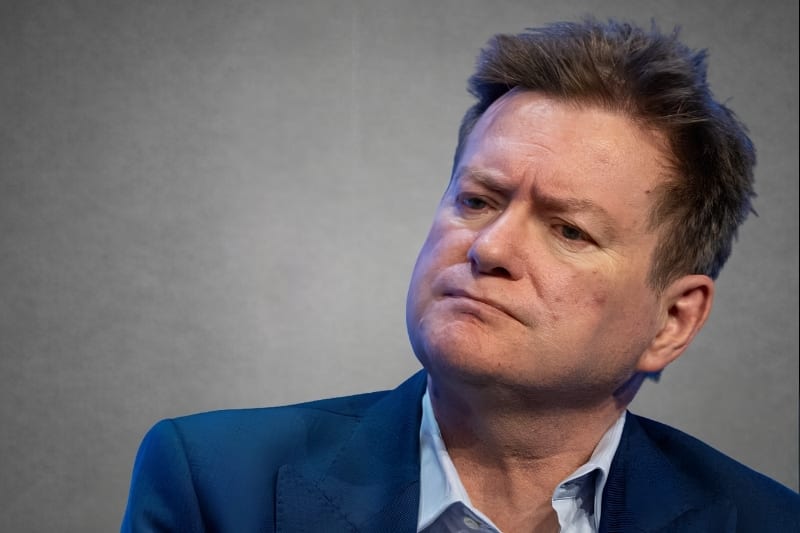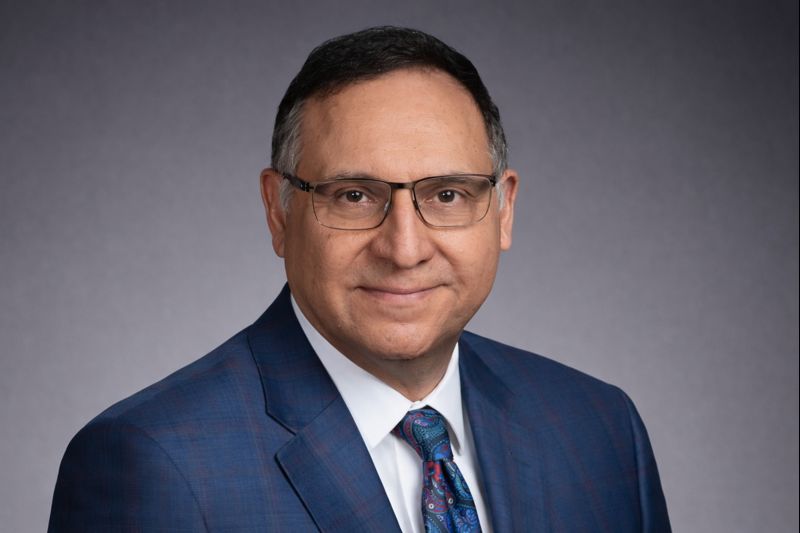
Kaveh Ofogh, Founder & CEO, Medico at Medico
4.7/5 Rating
Health & Wellness, Technology
$1M+/mo

Kaveh OfoghFounder & CEO, Medico

Kaveh Ofogh is a physician-founder leading Medico with a mission to deliver constitutionally sound, proactive correctional healthcare. He shares insights on staffing, leadership, accountability, and how strong management systems improve outcomes for patients, employees, and communities.

Kaveh Ofogh

Kaveh Ofogh

Founder & CEO, Medico

Medico

Medico

Founder Stats

  • Health & Wellness, Technology
  • Started 1996
  • $1M+/mo
  • 50+ team
  • USA

About Kaveh Ofogh

Kaveh Ofogh is the founder and CEO of Medico, a correctional healthcare company operating nationwide for nearly three decades. In this interview, he explains how strong leadership, adequate staffing, and physician-led decision-making drive quality care, reduce risk, and create long-term value for communities and public institutions.

Interview

December 24, 2025

Q

What must change to prevent failures in correctional healthcare?

Question 1 of 17
Kaveh Ofogh

Facilities must contract with companies that provide adequate staffing and strong supervision. Leadership at the site level matters because people leave managers, not jobs. Staff must be compensated competitively and monitored through clear performance programs to ensure expectations are met.

Q

Why is staffing the foundation of quality care?

Question 2 of 17
Kaveh Ofogh

Without enough medical personnel, care becomes delayed and reactive. Adequate staffing ensures timely assessments, continuity of treatment, and compliance with constitutional standards. It is not optional; it is the backbone of safe and effective healthcare delivery.

Q

How does leadership affect employee retention?

Question 3 of 17
Kaveh Ofogh

Strong managers create stability. When leadership is present, supportive, and accountable, staff feel respected and stay longer. Poor management drives turnover, which directly harms patient care and operational consistency.

Q

How did Medico plan staffing growth for Spokane County?

Question 4 of 17
Kaveh Ofogh

We planned an incremental increase of ten full-time equivalents over six months. Staffing grows as new programs launch, ensuring stability while expanding services. After six months, the facility will operate with sixty-one full-time employees.

Q

How were staffing levels approved by the county?

Question 5 of 17
Kaveh Ofogh

The county evaluated proposals on staffing, transition planning, and track record. Our proposal scored one hundred percent. We then negotiated staffing based on inmate acuity, chronic conditions, and operational data until both sides agreed.

Q

Who funds the additional medical staff?

Question 6 of 17
Kaveh Ofogh

The county funds the salaries. Our role was to define what level of staffing was medically necessary. Even with more staff, the county expects long-term savings compared to costs from lawsuits, settlements, and poor outcomes.

Q

How will increased staffing change inmate care?

Question 7 of 17
Kaveh Ofogh

Inmates will be seen by a registered nurse within four hours of arrival. Providers will be on site seven days a week, including weekends. We are also adding psychiatric support and expanded treatment for opioid use disorder.

Q

What does this mean for families of inmates?

Question 8 of 17
Kaveh Ofogh

Families can expect timely, respectful care for their loved ones. Inmates are patients with people who care about them outside. Our responsibility is to deliver community-standard healthcare without judgment or delay.

Q

How do you balance being a physician and a CEO?

Question 9 of 17
Kaveh Ofogh

I am a doctor first. The Hippocratic Oath guides every decision. If a facility refuses adequate staffing, I walk away. Quality care always comes before business considerations.

Q

How does Medico ensure accountability?

Question 10 of 17
Kaveh Ofogh

We use strong corporate oversight, clear protocols, and performance monitoring. Staff are trained on expectations and outcomes are reviewed regularly. Accountability is built into daily operations.

Q

Why is training critical during transitions?

Question 11 of 17
Kaveh Ofogh

We train nurses before the contract starts on guidelines, systems, and policies. We pay them for training time. This preparation prevents chaos and ensures smooth operations on day one.

Q

How do you manage operational change effectively?

Question 12 of 17
Kaveh Ofogh

Change must be planned. Staffing increases are phased, programs launch gradually, and systems are tested early. Stability is essential when serving a captive patient population.

Q

What distinguishes Medico from competitors?

Question 13 of 17
Kaveh Ofogh

We have operated for nearly thirty years under the same name with zero judgments. We do not cut corners or chase shortcuts. Consistency and quality define our reputation.

Q

How does healthcare inside jail impact the community?

Question 14 of 17
Kaveh Ofogh

Treating conditions like opioid use disorder reduces overdoses, recidivism, and post-release deaths. Every dollar spent on treatment saves communities multiple dollars long term.

Q

How do you justify investment in quality care?

Question 15 of 17
Kaveh Ofogh

Proper care costs less than lawsuits, settlements, and reputational damage. Data consistently shows that prevention and staffing save money and lives over time.

Q

What motivates you personally in this work?

Question 16 of 17
Kaveh Ofogh

Incarcerated people are captives with no choice. The Constitution guarantees healthcare, and I take that responsibility seriously. Doing the right thing motivates me every day.

Q

How would you define Medico’s mission?

Question 17 of 17
Kaveh Ofogh

Our mission is to deliver adequate, timely, and proactive medical and mental health care. Location and circumstance do not change our standard. Patients deserve dignity everywhere.

Video Interviews with Kaveh Ofogh

Full interview with MEDIKO CEO and founder Dr. Kaveh Ofogh

Full interview with MEDIKO CEO and founder Dr. Kaveh Ofogh

Full interview with MEDIKO CEO and founder Dr. Kaveh Ofogh