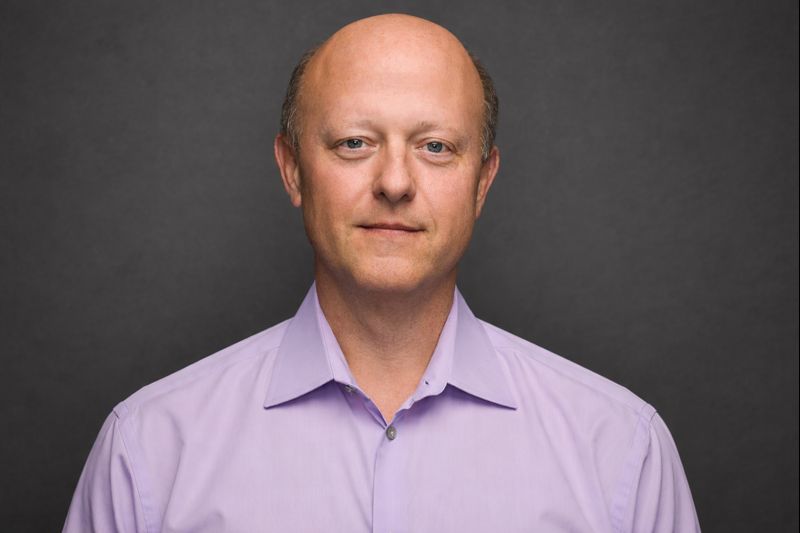
Jeremy Allaire, Co-founder and CEO, Circle at Circle
4.9/5 Rating
Finance, Cryptocurrency, Technology, AI
$1M+/mo

Jeremy AllaireCo-founder and CEO, Circle

Jeremy Allaire leads Circle in building internet-native financial infrastructure through USDC and programmable digital money. He shares lessons on long-term vision, regulation, leadership, and how stablecoins, AI, and software platforms are reshaping the global financial system.

Jeremy Allaire

Jeremy Allaire

Co-founder and CEO, Circle

Circle

Circle

Founder Stats

  • Finance, Cryptocurrency, Technology, AI
  • Started 2013
  • $1M+/mo
  • 50+ team
  • USA

About Jeremy Allaire

Jeremy Allaire is the co-founder and CEO of Circle. In this interview, he reflects on Circle’s IPO journey, the rise of stablecoins, and building long-term financial infrastructure for the internet. He discusses leadership under pressure, regulation, AI-driven economies, and why frictionless value exchange will define the next decade of global growth.

Interview

December 22, 2025

Q

How do you reflect on Circle’s recent growth and milestones?

Question 1 of 17
Jeremy Allaire

This year created space for reflection. I often compare where we are now with one or ten years ago. The change has been dramatic. Reflection helps me stay grounded, understand progress clearly, and keep focus on the long-term mission rather than short-term noise.

Q

What did the IPO moment mean to you personally?

Question 2 of 17
Jeremy Allaire

It was a moment of pride, gratitude, and excitement. After more than a decade of skepticism, it felt like validation. The IPO represented the work of many people who believed early and stayed committed through uncertainty and long development cycles.

Q

How did you handle early skepticism around digital dollars?

Question 3 of 17
Jeremy Allaire

The term stablecoin did not exist then. We focused on explaining the idea of internet-native money clearly. Consistency mattered. We believed digital dollars could be built safely and compliantly, even when the technology itself was still immature.

Q

Why was engaging regulators early so important?

Question 4 of 17
Jeremy Allaire

Money involves trust and social responsibility. Regulation is necessary to manage fraud and risk. At the same time, governments needed to understand this was a new internet-based model, not just a variation of existing financial systems.

Q

How do you define Circle’s mission today?

Question 5 of 17
Jeremy Allaire

Our mission is to increase global economic prosperity through frictionless value exchange. That goes beyond payments. It includes investing, lending, labor, trade, and coordination. We focus on removing friction from how value moves globally.

Q

Why do you say Circle does not fit into a single category?

Question 6 of 17
Jeremy Allaire

We are not just a bank, payment company, or software firm. We are an internet financial platform. Like other major internet platforms, we operate across infrastructure, money, and applications without fitting neatly into one box.

Q

What are Circle’s core products and platforms today?

Question 7 of 17
Jeremy Allaire

We operate USDC, build financial infrastructure like ARC, support tokenized assets, and develop applications for global money movement and currency exchange. Much of our infrastructure is open and accessible on the public internet.

Q

How do partnerships with Visa and JPMorgan shape your strategy?

Question 8 of 17
Jeremy Allaire

We aim to be neutral infrastructure. Visa and JPMorgan using USDC shows how institutions can build on our platform. Our role is enabling others to move faster, scale globally, and deliver better financial products.

Q

How do you think about competition in the crypto and finance space?

Question 9 of 17
Jeremy Allaire

We collaborate more than we compete. Multiple infrastructure providers are healthy for the ecosystem. Our focus is building reliable, trusted systems that others can use to create value rather than owning everything ourselves.

Q

Do concerns about US debt affect your view of digital dollars?

Question 10 of 17
Jeremy Allaire

There are valid long-term questions, but the dollar remains central globally. A programmable digital dollar is a powerful tool. Economic growth, productivity, and innovation remain strong drivers of long-term confidence.

Q

How does AI influence Circle’s long-term vision?

Question 11 of 17
Jeremy Allaire

We expect AI agents to drive a large share of economic activity. That requires new financial infrastructure. ARC is designed for an agent-driven economy where machines transact, coordinate, and exchange value autonomously.

Q

Are you concerned about an AI investment bubble?

Question 12 of 17
Jeremy Allaire

Bubbles happen in every major technology cycle. Not every company will win, but infrastructure investment matters. Over time, productivity gains absorb excess investment and unlock real economic value.

Q

What leadership lessons guide you through long cycles?

Question 13 of 17
Jeremy Allaire

Staying calm, focused, and mission-driven matters. Building infrastructure takes decades. Reflection, clarity of purpose, and patience help manage pressure and maintain trust with teams, partners, and regulators.

Q

How do stablecoins change the financial system?

Question 14 of 17
Jeremy Allaire

They increase speed, efficiency, and global reach. Over time, they will represent a much larger share of financial value, similar to how the internet transformed information and communication flows.

Q

Where do you want Circle to be in ten years?

Question 15 of 17
Jeremy Allaire

We want to operate a major financial infrastructure layer of the internet. Our goal is to support AI-powered, tokenized, high-velocity economies while remaining trusted, reliable, and globally accessible.

Q

What does frictionless value exchange really mean?

Question 16 of 17
Jeremy Allaire

It means value moves as easily as information. Payments, investing, lending, labor, and ownership should flow globally without unnecessary barriers, unlocking economic opportunity at massive scale.

Q

What advice do you give founders building long-term companies?

Question 17 of 17
Jeremy Allaire

Be patient and consistent. Expect skepticism if you are early. Build trust, solve real problems, and stay committed through cycles. Infrastructure companies are built over decades, not quarters.

Video Interviews with Jeremy Allaire

Jeremy Allaire - Circle's CEO explains why the dollar is going digital

Jeremy Allaire - Circle's CEO explains why the dollar is going digital

Jeremy Allaire - Circle's CEO explains why the dollar is going digital

Circle CEO Jeremy Allaire on Q3 results: We're building a full stack internet platform business

Circle CEO Jeremy Allaire on Q3 results: We're building a full stack internet platform business

How Stablecoins Revolutionize Payments | Jeremy Allaire, Brian Armstrong, Lulu Cheng Meservey

How Stablecoins Revolutionize Payments | Jeremy Allaire, Brian Armstrong, Lulu Cheng Meservey