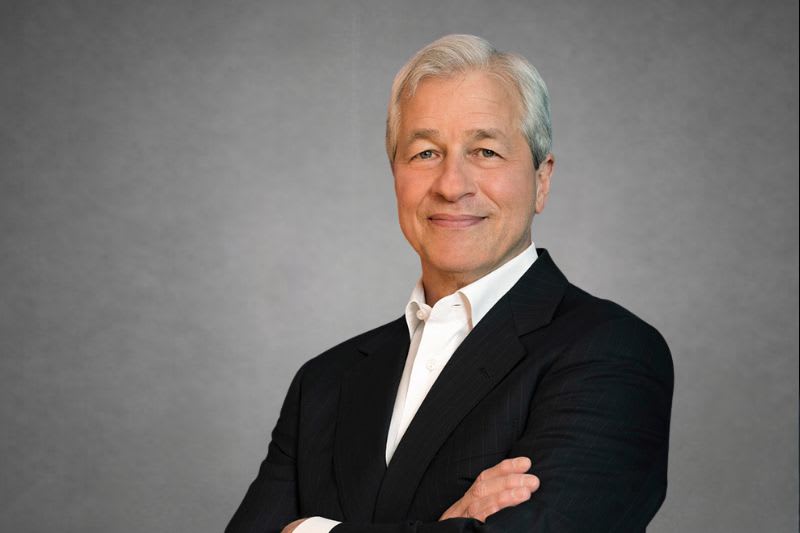
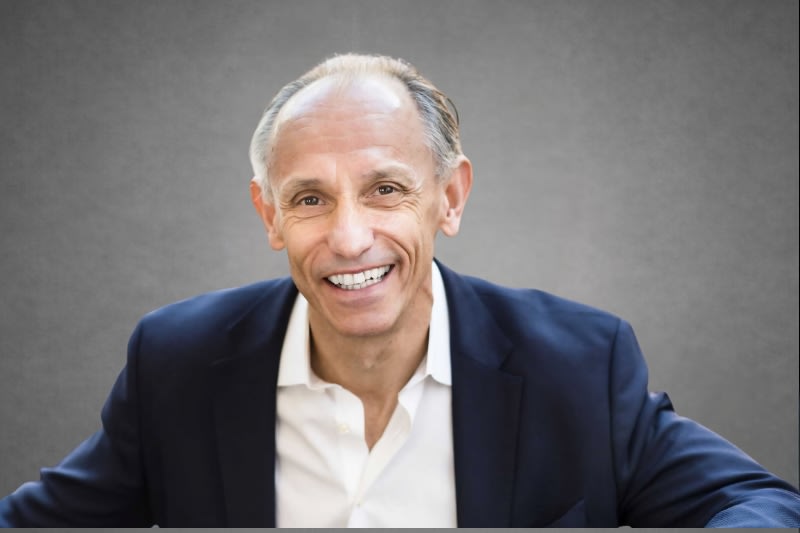
Jamie Dimon, Chairman and CEO of JPMorgan Chase, shares his views on leadership, economic growth, national security, public policy, and the future of America. From strengthening alliances and rebuilding critical industries to expanding opportunity for working families, he explains why strong institutions, good policy, and a commitment to the American Dream matter more than ever.
Jamie Dimon is the Chairman and CEO of JPMorgan Chase, the largest bank in the United States. Known for his direct views on business, leadership, and public policy, he has spent decades helping shape conversations around economic growth, financial stability, and America's long-term competitiveness.
June 8, 2026
This is interview 1 of 2 with Jamie Dimon.
Jamie Dimon has been featured on CEO Insider 2 times. Explore the full collection.
The biggest issues are not the short-term economy. The real concerns are geopolitical. The war in Ukraine, instability in the Middle East, growing global deficits, military buildup around the world, and changes in trade relationships could have a major impact on the future of the free world. Those are the challenges that deserve our attention.
We looked at critical industries and realized many supply chains were vulnerable. Things like semiconductors, pharmaceuticals, rare earth materials, and advanced manufacturing are essential to national security. We wanted to support investment in these areas and help strengthen resilience across the economy.
I generally prefer free markets, but there are certain industries that are too important to ignore. Areas like rare earths, semiconductor production, and pharmaceutical ingredients are critical for security. Sometimes smart policy is needed to help build resilience and reduce dependence on potential adversaries.
The biggest challenge is affecting the bottom portion of society. While many households have benefited from rising asset values and higher incomes, lower-income workers have seen fewer opportunities. We need policies that improve education, housing, infrastructure, and workforce development to create upward mobility.
Jobs create dignity. They provide income, purpose, and opportunity. That first job often leads to better opportunities later in life. Strong employment leads to better social outcomes, stronger families, less crime, and healthier communities. Work remains one of the most powerful tools for economic mobility.

Use this interview in your research, article, or academic work

Co-Founder at Y Combinator
In this interview, Y Combinator co-founder Paul Graham reflects on twenty-one years of startup acceleration and forty-seven YC batches. Graham explores the nature of founder…
Co-Founder, Chairman & CIO at Marshall Wace
In this interview, Marshall Wace co-founder and chairman Sir Paul Marshall discusses running a ninety billion USD alternative asset management firm. Marshall explains the synergy…
Co-founder & Managing Partner at QED Investors
In this interview, QED Investors co-founder and Managing Partner Nigel Morris outlines the frameworks that built Capital One and QED Investors. Morris shares insights on…

Founder & CEO at Tyme Group
In this interview, Tyme Group CEO Coen Jonker discusses the platform's multi-country digital banking model across South Africa and the Philippines. Jonker explains how retail…

Founder & CEO at Pershing Square Capital Management
In this interview, Pershing Square Capital Management founder and CEO Bill Ackman discusses the current state of financial markets, highlighting the implications of artificial intelligence…

Co-founder & COO at Corgi
In this interview, Corgi co-founder and Chief Operating Officer Emily Yuan discusses the complexities of building an AI-native, full-stack commercial insurance carrier from scratch. Yuan…